

 French
 Spanish
 Russian
Private guides and guided tours in Austria
Private guides in Austria
Private Guide in Vienna - Wolfgang
(Member Since 2006) Excursions/tous in the following cities: Vienna, Salzburg Languages: English, German, French, Spanish, PortugueseThere are 1000 unknown secrets in Vienna. Only some of them are that Vienna is the world capital of classical music, a paradise concerning cuisine, a cultural melting pot as the former Habsburg capital city. But also smaller towns like Salzburg, Innsbruck, Linz or Graz are full of secrets. That is what I want to show you.

Private Guide in Vienna - Gabriela
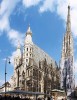
(Member Since 2005) Excursions/tous in the following cities: Vienna Languages: English, Spanish, Portuguese, French, Italian and GermanMy name is Gabriela. I am a private independent guide in Vienna and I would love to show you in Vienna, its surroundings and also all over Austria, We will discover at your own pace with a walking or driving tour. My City- Vienna As I am a Viennese through and through I am living in this wonderful capital of Austria. In Vienna I am looking forward to showing you the most important sights, such as Schцnbrunn Palace, the Imperial Palace with the Sisi Museum, the Spanish Riding School, the Giant Ferris Wheel in the Prater and St.

Private Guide in Salzburg - Evgeny
(Member Since 2023) Excursions/tous in the following cities: Salzburg Languages: Russian English GermanGreetings, dear travelers!My name is Evgeniy. I am a professional licensed guide in Austria. My permanent place of residence is the city of Salzburg, so I specialize in excursions around Salzburg and its...

Austria
COMMENTS ABOUT Austria:
Austria is like another world for active vacationers. Situated south of Germany, the country has cold winters with rain in the lowlands and snow in the mountains. Summers are nice and cool with the occasional rain shower.
For the avid outdoorsman, tour the Alps, hike to the majestic peaks, or bike straight through, enjoying panoramic views and clouds so close you can touch them. Another popular activity is to visit the gorgeous ski slopes of Arlberg or Bad Kleinkirchheim. In Austria, you can ski or snowboard year round.
If you are interested in experiencing the beauty, but want something more relaxing, try a river cruise through Austria’s countryside or fish any of the country’s relaxing national parks like Donau-Auen or Thayatal. The crystal-clear waters of Grundlsee and Toplitzsee Lakes and breathtaking Krimml Falls will embed the moment in your memory.
For fans of classic music and history, stop by the Hohensalzburg Castle in Slazburg. Its astounding architecture will overwhelm you, and music lovers can enjoy Mozart’s birth city and even the locations where the Sound of Music was filmed. In Vienna, stop by the Schönbrunn Tiergarten. It is the oldest zoo in the world. Or, take a romantic walk through the Schloss Schönbrunn, formal palace gardens arranged in the French style. Afterwards, take in the active Austrian nightlife and delicious foods.
With castles, abbeys, and an assortment of sites found only here, Austria has something for everyone. So book your private guided tour today through Private Guides.

Private Guide in Vienna - Valerie
(Member Since 2008) Excursions/tous in the following cities: Vienna Languages: German, English, French, Spanish, ItalianHello dear friends! It is a pleasure to meet you! First of all let me introduce myself. My name is Valerie. I am from Austria and I am fond of my country, its culture, glorious history and marvelous traditions. That's why I decided to dedicate myself to the tourism industry.
Popular tours in Austria
-
-
-
Expedition in Salzburg
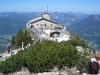 Bavarian and "Eagle"Tour Duration
 5-8 hours
 -
Adventure tour in Salzburg
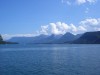 Land of lake SalzkammergutTour Duration3-8 hours
 -
Expedition in Salzburg
 Salt CavesTour Duration4 hours
 -
Expedition in Salzburg
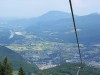 Summer slides adventure and extreme in SalzburgTour Duration4 hours
 -
Expedition in Salzburg
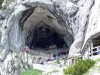 World of giant glaciers EisriesenweltTour Duration5 hours
-
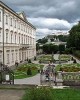
 upon request



Guide Licensing Information for Austria
In order to render professional guiding services in Austria, the person has to possess a license; otherwise they will be subjected to substantial fines. First of all, the potential guide has to get respective education in local administration institution, which takes at least a year and a half to complete. After doing so, the solicitor will have to go through a series of exams, part of which is held in German language. It is well known that all types of activities are regulated thoroughly in Austria. Thus, the trials and exams serve as a sort of “filter”, which prevents untrustworthy solicitors from rendering low quality services.
In the course of education, the future guide has to master a lot of important information on Austria’s culture, traditions, arts and cuisine. After completing the course, the guide is registered in the Chamber of Commerce, providing the exam results and paying the license fee, and becomes an individual entrepreneur, who is required to pay taxes. In case the guide also wishes to provide auto excursions on top of standard walking tours, the vehicle should also be registered as serving a commercial purpose.
An Austrian guide should always bear a badge with flag and name, certificate and other identification documents, because these may be requested at any time in any place.