

 French
 Spanish
 Russian
Private guides and guided tours in Belarus
Private guides in Belarus

Private Guide in Minsk - Andrei
(Member Since 2011) Excursions/tous in the following cities: Minsk Languages: EnglishA Local Licensed Guide with a vehicle. A graduate of the Minsk-based Courses for Guides-Interpreters, I have just passed a certification procedure by the National Tourism Agency of Belarus to become an independent licensed guide (May'2011).

Private Guide in Minsk - Andrew
(Member Since 2012) Excursions/tous in the following cities: Minsk Languages: EnglishLet me be you personal individual guide and assistant in Belarus. Road is always a trial. Road has always been my passion, history and geography is a hobby; foreign languages appeared to be my specialty at the university. So once in a blue moon I combined them all to serve You in my country.
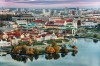
Private Guide in Minsk - Eduard
(Member Since 2014) Languages: English?RussianI'm a Crimean native. I was born in the largest Cossak village in the world - Kanevskaja. I'm very happy to live here, because our Territory is a pure wonder! Though living here the whole my live, I cannot stop wonder to discover more and more new places & wonder myself what a beautiful place. Being a traveler and hiking in country. When traveling, I always try to find a native to learn a place from the inside. Of course people say: the most interesting things are not far - you must not overlook them, so I fully understand the visitors of this site.

Belarus
Language: Russian
Currency: Belarusian ruble (BYB/BYR)
Calling Code: +375
COMMENTS ABOUT Belarus:
Situated between Russia and the Ukraine, Belarus is one of the lesser-known vacation destinations, but this is quickly changing.
The terrain is generally flat with marshlands ideal for hunting, fishing, horseback riding, biking, and even skiing. You can find a variety of bird species, wild boar, bison, wolves, and many other animals. More interested in snapping shots of these wild beasts? There are guided tours for nature photography too. In addition, many ideal hiking destinations can be found in this small country.
If you are more inclined toward skiing, pack warm and try the many Alpine or Silichi ski locations in Minsk, Gomel, and Vitebsk Oblasts. In the summer the weather is cool and refreshing, and these same locations cater to activities like biking and paintball.
For vacationers interested in the cities and culture, Minsk and Vitebsk are wonderful locations with cafes and an active nightlife. There is an assortment of foods available from delicious bistros to unique local cuisine and even highly regarded sushi restaurants like Planeta Sushi. Enjoy a delicious meal in Minsk and take a guided tour of the National Arts Museum on Lenina Street.
If you love live music, why not attend the Bard Music and Fishing Festival held annually in Mogilev Oblast. Or visit Vitebsk, the city Marc Chagall called his “second Paris.” It is home to the Slavyansky Bazaar, an annual international song festival. For lovers of the arts, there are 25 famous sculptures in Minsk like Igor Golubev’s renowned depiction of Archangel Michael, so book your tour today.

Private Guide in Minsk - Stepan
(Member Since 2017) Languages: English, Russian, BelarusianMy name is Stepan, I`m 23 years old. I live in Minsk. I am very interested to meet people from other countries, and to acquaint them with the culture, customs of my country. With pleasure will acquaint you with the history and architecture of the city.
Private Guide in Minsk - Valentina
(Member Since 2011) Excursions/tous in the following cities: Minsk Languages: English, Polish, RussianBelarus is a unique country; it is in the middle of Europe. Unknown for foreigners, Belarus is a country of heroic past. It's a land of rivers and lakes (these are more than 20 thousands). There are a lot of places of wild nature and rare animals and birds (like bison) there.
Private Guide in Minsk - Yuliya
(Member Since 2015) Languages: english, german, russian, belarussianHello, dear friends! My name is Yuliya. I am a licensed tour guide in Belarus. I do really love my country Belarus and is very proud of the fact that I am the Belarusian! Our country has great historical and cultural heritage. The medieval castles, pure nature, amazing cities and towns with their majestic architecture.
 USD 95
 3 hours