


 French
 Spanish
 Russian
Morocco : Tours and Excursion
Attention!!! There are tours with discounts.
Al-Attarine Madrasa
The Al-Attarine Madrasa is a historic Islamic school located in the heart of Fes, Morocco. Built in the 14th century by the Marinid Sultan Abu Said Uthman II, it is renowned for its exquisite architecture and intricate decorations. The madrasa served as a center for learning and religious studies, attracting scholars from across the Islamic world.
History & Origins
The Al-Attarine Madrasa was constructed between 1323 and 1325 during the reign of the Marinid dynasty. It was part of a larger effort to promote education and religious scholarship in Fes, which was then a major intellectual hub. The madrasa is named after the nearby spice market (Attarine), reflecting its location in the bustling commercial district of the city.
The madrasa was designed to accommodate students studying the Quran, Islamic law, and other religious sciences. Its proximity to the University of Al Quaraouiyine, one of the oldest universities in the world, further cemented its role as a center of learning.
Over the centuries, the madrasa has undergone several restorations to preserve its architectural integrity. Today, it stands as a testament to the Marinid dynasty's commitment to education and culture.
Architecture & Features
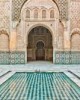
The Al-Attarine Madrasa is celebrated for its stunning architectural details, including finely carved stucco, intricate tilework (zellij), and ornate woodwork. The central courtyard features a beautiful fountain and is surrounded by student cells and a prayer hall.
The prayer hall is particularly notable for its mihrab (prayer niche), which is adorned with geometric patterns and calligraphic inscriptions. The madrasa's minaret, though modest in height, is a striking example of Marinid design.
Legends & Facts
1. The madrasa's construction was funded by the Sultan's personal treasury, highlighting its importance as a religious and educational institution.
2. The name 'Attarine' (spice market) reflects the madrasa's location in a vibrant commercial area, where students could easily access goods and services.
3. The madrasa's design influenced later Islamic educational institutions in North Africa and beyond.
Tourist Tips
Visitors should explore the madrasa's courtyard and prayer hall, paying close attention to the intricate decorations. The nearby spice market is also worth a visit for its vibrant atmosphere.
Nearby
- University of Al Quaraouiyine - The oldest continuously operating university in the world.
- Bou Inania Madrasa - Another stunning example of Marinid architecture.
- Chouara Tanneries - Famous for its traditional leather dyeing pits.
- Al-Qarawiyyin Mosque - One of the largest mosques in Fes.
- Dar Batha Museum - A museum showcasing Moroccan arts and crafts.
Practical FAQ for Travelers
What are the opening hours?
The madrasa is open daily from 9:00 AM to 5:00 PM.
Is there an entrance fee?
Yes, there is a small fee of approximately 20 Moroccan Dirhams.
What is the best time to visit?
Early morning or late afternoon to avoid crowds.
Is photography allowed?
Yes, photography is permitted, but flash may be restricted in certain areas.
Is the madrasa accessible for people with disabilities?
Due to its historic nature, the madrasa has limited accessibility.
Al-Attarine Madrasa: Private tours and Excursions. Hurry up and book a tour with a discount.
-
Special Offer!

Private tour in Casablanca - Casablanca Private Morocco Tours
Day 1: Casablanca – Meknes – Volubilis – Fes. Day 2: Exploring Fes. Day 3: Fes – Ifrane – Azrou – Errachid -
Culture and History tour in Fez - Fes Private Cultural Tour
Explore Fez and its enthralling tradition The perfect day in Fez starts with the heart of the old town, Fez El Bali. Bab Boujloud; enjoy an ama -

Culture and History tour in Marrakech - From Tangier to Fes, Marrakech & Merzouga,...
Atlas Mountains, sophisticated Moorish culture and the complex soul of Morocco The Middle Atlas mountain region is in total contrast to the sophistic -
Special Offer!

Culture and History tour in Casablanca - Marrakesh & The Kasbah trial
Day 1: Casablanca – Rabat: Upon arrival, we’ll collect you and drive to Casablanca where you’ll visit the Hassan II Mosque, the lar -
Private tour in Casablanca - Morocco Grand Tour
Day 1: Casablanca Arrive at Casablanca Mohammed V International Airport. Transfer to your hotel and relax. Visit the magnificent Hassan II Mosque -
Special Offer!
Private tour in Casablanca - Morocco Grand Tour
Jrana Morocco Tours MoroccoGrand Tour This16days expeditionincludes thehighlightsofMorocco.Theguided tourstarts and ends inCasablanca. Itincludesthe -
Special Offer!

Adventure tour in Casablanca - Morocco in depth 11 Days private tour
This private tour lasts for 11 days, and it will be a unique opportunity for you to immense in the exotic world of shake-charmers, camel ride over the -
Culture and History tour in Casablanca - Imperial Cities and desert
This tour lasts for 11 days so make sure you have enough time at your disposal. During these 11 days you will have a unique opportunity to discover on -

Walking tour in Fez - Fez sightseeing
Fes is one of the four imperial cities. It means that is used to be the capital of the kingdom of Morocco during a certain period. Nowadays it is cons
Quick tours search
Tour Categories
- Any tour category in Morocco
- Adventure tour in Morocco
- Arts and Crafts tour in Morocco
- Culture and History tour in Morocco
- Excursion in Morocco
- Expedition in Morocco
- Gourmet & Cooking tour in Morocco
- Hiking tour in Morocco
- Jeep tour in Morocco
- Private tour in Morocco
- Safari in Morocco
- Shopping tour in Morocco
- Sightseeing Nature tour in Morocco
- Walking tour in Morocco
Private Guide in Morocco

Mustapha
Private Guide in Marrakech
My name is Mustapha. I am your guide and will support you during the tour. I promise you are going to enjoy your stay here in Morocco. This is a beautiful, quiet country where ... Read more
Tour in Kenya
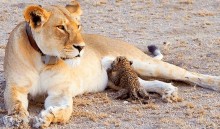
7-Day Explore Wildlife Samburu Great Rift Valley Lakes
Safari in Nairobi
Samburu National Reserve is situated about 350 kms north of Nairobi in the semi arid part of Kenya. Ewaso Nyiro River, bisects the reserve and the river is home to some of the biggest Reptiles in the region and attracts a good number of birds.
Read more