


 French
 Spanish
 Russian
: Tours and Excursion
Palacio Barolo, also known as Barolo Palace, is an architectural masterpiece located in the heart of Buenos Aires. Designed by Italian architect Mario Palanti, this building is a symbol of the cultural and historical ties between Argentina and Italy. It was inaugurated in 1923 and stands as a testament to the early 20th-century architectural innovation.
History and Origins
The Palacio Barolo was commissioned by Luis Barolo, an Italian businessman who made his fortune in the textile industry. Barolo envisioned the building as a tribute to Dante Alighieri's 'Divine Comedy,' with its design reflecting the structure of the poem. The building's 22 floors symbolize the 22 cantos of the poem, and its height of 100 meters represents the 100 cantos in total.
Constructed during a period of economic prosperity in Argentina, the Palacio Barolo was the tallest building in South America at the time of its completion. It was designed to house offices and commercial spaces, but it also included a lighthouse at the top, which was intended to guide ships arriving from Europe.
Over the years, the Palacio Barolo has undergone several restorations to preserve its unique architectural features. Today, it remains a prominent landmark in Buenos Aires, attracting tourists and architecture enthusiasts from around the world.
Architecture and Features
The Palacio Barolo is a prime example of the Neo-Gothic and Art Nouveau architectural styles. Its facade is adorned with intricate carvings and sculptures that depict scenes from Dante's 'Divine Comedy.' The building's interior features a grand central atrium with a stunning stained glass ceiling that allows natural light to filter through.
One of the most distinctive features of the Palacio Barolo is its lighthouse, which is located at the top of the building. The lighthouse is equipped with a powerful beam that can be seen from miles away, symbolizing the guiding light of Dante's journey through the afterlife.
Legends and Interesting Facts
One of the most intriguing legends surrounding the Palacio Barolo is that it was designed to house Dante Alighieri's remains. Although this never came to fruition, the building's design is deeply rooted in the themes and structure of the 'Divine Comedy.'
Another interesting fact is that the Palacio Barolo was built using materials imported from Italy, including marble and bronze. This further emphasizes the cultural connection between Argentina and Italy.
The building's lighthouse was originally intended to be a beacon for ships arriving from Europe, but it was never used for this purpose. Instead, it has become a symbol of the building's unique design and historical significance.
Tourist Experience and Tips
Visitors to the Palacio Barolo can take guided tours that provide an in-depth look at the building's history, architecture, and symbolism. The tours often include a visit to the lighthouse, where visitors can enjoy panoramic views of Buenos Aires.
For those interested in architecture, it is recommended to explore the building's exterior and interior details, including the intricate carvings and stained glass windows. A private guide can enhance the experience by providing personalized insights and historical context.
Nearby Attractions
- Teatro Colуn: One of the most famous opera houses in the world, known for its stunning architecture and acoustics.
- Plaza de Mayo: A historic square that has been the site of many important political events in Argentina.
- Casa Rosada: The official residence of the President of Argentina, known for its distinctive pink color.
- San Telmo Market: A vibrant market offering antiques, crafts, and local cuisine.
- Puerto Madero: A modern waterfront district with upscale restaurants and scenic views.
Practical FAQ for Travelers
Is it possible to book tickets online?
Yes, tickets for guided tours of the Palacio Barolo can be booked online through the official website or authorized tour operators.
What is the best time to visit?
The best time to visit is during the spring or fall when the weather is mild, and the building's interior is comfortably cool.
How long does a full tour take?
A full tour typically takes about 1.5 to 2 hours, including the visit to the lighthouse.
Are there any restrictions on photography?
Photography is allowed in most areas of the building, but flash photography may be restricted in certain sections.
Is the Palacio Barolo accessible for strollers and wheelchairs?
The building is partially accessible, but some areas, including the lighthouse, may be difficult to reach for those with mobility issues.
Why is a private guide recommended for this site?
A private guide can provide personalized insights and historical context, enhancing the overall experience and allowing visitors to fully appreciate the building's unique design and symbolism.
Palacio Barolo: Private tours and Excursions.
-

Culture and History tour in Buenos Aires - Historical Buenos Aires (Plaza de Mayo and its surroundings)
It is a great place to explore, but without a private guide in Buenos Aires, you may miss something very important there! The city was founded by a fa
Quick tours search
Tour Categories
- Any tour category in Buenos Aires
- Boating and Sailing tour in Buenos Aires
- Culture and History tour in Buenos Aires
- Excursion in Buenos Aires
- Gourmet & Cooking tour in Buenos Aires
- Hunting tour in Buenos Aires
- Private tour in Buenos Aires
- Sightseeing Nature tour in Buenos Aires
- Walking tour in Buenos Aires
- Wine tasting tour in Buenos Aires
Private Guide in Argentina

Angeles
Private Guide in Buenos Aires
My tours are full of interesting information, including historic facts, relevant political data, and all those funny anecdotes that make tours memorable. Read more
Tour in Argentina
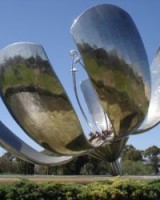
Culture and History tour in Buenos Aires
This is an extended version of the Buenos Aires' Highlights Tour! Read more