


 French
 Spanish
 Russian
Mexico : Tours and Excursion
History & Origins
Chichen Itza is a large pre-Columbian archaeological site built by the Maya civilization. It was a major focal point in the northern Maya lowlands from the Late Classic (c. AD 600–900) through the Terminal Classic (c. AD 800–900) and into the early portion of the Postclassic period (c. AD 900–1200). The site exhibits a multitude of architectural styles, reminiscent of styles seen in central Mexico and of the Puuc and Chenes styles of the northern Maya lowlands.
The city may have had the most diverse population in the Maya world, a factor that could have contributed to the variety of architectural styles at the site. The ruins of Chichen Itza are federal property, and the site's stewardship is maintained by Mexico's Instituto Nacional de Antropologia e Historia (INAH).
Chichen Itza was one of the largest Maya cities and it was likely to have been one of the mythical great cities, or Tollans, referred to in later Mesoamerican literature. The city may have had the most diverse population in the Maya world, a factor that could have contributed to the variety of architectural styles at the site.
Architecture & Features
The site contains many fine stone buildings in various states of preservation; the buildings were formerly used as temples, palaces, stages, markets, baths, and ballcourts. Dominating the center of Chichen is the Temple of Kukulkan (the Maya name for Quetzalcoatl), often referred to as 'El Castillo' (the castle). This step pyramid has a ground plan of square terraces with stairways up each of the four sides to the temple on top.
The Great Ball Court is the largest and best preserved ball court in ancient Mesoamerica. It measures 168 by 70 meters (551 by 230 feet). The parallel platforms flanking the main playing area are each 95 meters (312 feet) long. The walls of these platforms stand 8 meters (26 feet) high; set high up in the center of each of these walls are rings carved with intertwined serpents.
Legends & Facts
During the spring and autumn equinoxes, the late afternoon sun strikes off the northwest corner of the pyramid and casts a series of triangular shadows against the northwest balustrade, creating the illusion of a feathered serpent 'crawling' down the pyramid. The event has been very popular, but whether it was intentional or merely a happy accident remains unknown.
Chichen Itza was a center of pilgrimage for the ancient Maya for over 1,000 years. The Sacred Cenote was a place of pilgrimage for ancient Maya people who would conduct sacrifices into it. Artifacts such as gold, jade, pottery, and incense have been found in the cenote, along with human remains.
The site was abandoned by the Maya people by the time the Spanish arrived in the 16th century, though it remained a place of pilgrimage. The Spanish conquistador Francisco de Montejo and the Franciscan Diego de Landa both made extensive notes about the site in the 16th century.
Tourist Tips
Visit early in the morning to avoid the heat and crowds. The site opens at 8 AM, and arriving early will give you a better chance to explore without the midday sun. Wear comfortable shoes as the terrain is uneven and there is a lot of walking involved. Bring water, sunscreen, and a hat as shade is limited.
Start your visit at the Temple of Kukulkan, then move to the Great Ball Court, the Temple of the Warriors, and the Sacred Cenote. The site is large, so plan to spend at least 3-4 hours exploring.
Nearby
- Valladolid - A charming colonial town with colorful buildings and a central square.
- Ek Balam - Another impressive Maya archaeological site with well-preserved structures.
- Cenote Ik Kil - A stunning natural sinkhole perfect for swimming.
- Merida - The capital of Yucatan, known for its vibrant culture and historic architecture.
- Uxmal - A UNESCO World Heritage site with magnificent Puuc-style architecture.
Practical FAQ for Travelers
What are the opening hours?
Chichen Itza is open daily from 8 AM to 5 PM.
How much does it cost to enter?
The entrance fee is approximately 25 USD for adults and free for children under 12.
What is the best time to visit?
Early morning or late afternoon to avoid the heat and crowds.
Is the site accessible for people with disabilities?
Some areas are accessible, but the terrain is uneven and may be challenging for wheelchair users.
Are pets allowed?
Pets are not allowed at the site.
Is there a dress code?
There is no strict dress code, but comfortable clothing and shoes are recommended.
Chichen Itza: Private tours and Excursions.
-

Culture and History tour in Valyadolid - Best of Yucatan - 3 days VIP Private Tour
Experience the Real Mexico by living the Best of Yucatan in a 3 days fantastic Tour 3 days 2 nights Starts in Cancún / Riviera Maya and ends -
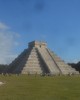
Culture and History tour in Cancun - Chichen Itza, Cenotes & Valladolid VIP Private 1 Day Tour
Experience One of the 7 Wonders of the world: Chichen Itza, Impressive Monument of 2 Great Cultures of America: Maya & Toltec. Admire the Magnifi
Quick tours search
Tour Categories
Travel Agency in Cuba
Stefano
Travel Agency in Havana
We are extremely professional! We won't simply drive you around as they will provide you all the information,tips and advices you may need during your holiday in Cuba Read more
Tour in United States
Private tour in New York
We will stop on our tour for pizza and at Roccos famous Italian bakery. See the brownstones, and sights where tv shows like Friends and Sex and The City were filmed. From Greenwich Village we head to the east village to visit Washington Square Park, New York University, and then make our way to Soho. Read more