


 French
 Spanish
 Russian
China : Tours and Excursion
White Horse Temple
The White Horse Temple is the first Buddhist temple in China, established in 68 AD during the Eastern Han Dynasty. It is considered the cradle of Chinese Buddhism and is named after the white horse that carried Buddhist scriptures from India.
History & Origins
The temple was built under the patronage of Emperor Ming of Han, who sent emissaries to India to bring back Buddhist teachings. The returned monks, Kasyapa Matanga and Dharmaratna, translated the Sutra of Forty-two Chapters here, marking the beginning of Buddhism in China.
The temple has undergone numerous reconstructions over the centuries, with the current structures dating mainly from the Ming and Qing Dynasties. It remains an active place of worship and a significant pilgrimage site.
During the Tang Dynasty, the temple became a major center for Buddhist studies, attracting monks from across Asia. It played a crucial role in the spread of Buddhism to Korea and Japan.
Architecture & Features
The temple complex covers 13 hectares and features traditional Chinese architectural styles. Key structures include the Heavenly King Hall, the Great Buddha Hall, and the Mahavira Hall, each adorned with intricate carvings and statues.
The temple grounds also house a large collection of Buddhist relics, including ancient scriptures, statues, and steles. The tranquil gardens and courtyards provide a serene environment for meditation and reflection.
Legends & Facts
Legend says that the temple's name comes from the white horse that carried the Buddhist scriptures from India, which refused to leave after arriving, symbolizing the permanence of Buddhism in China.
Another story tells of a miraculous spring that appeared when the monks prayed for water, which still flows today.
The temple's bell, cast in 1555, is said to produce a sound that can be heard for miles, symbolizing the spread of Buddhist teachings.
Tourist Tips
Visitors should start at the main gate and proceed through the halls in order, taking time to admire the statues and carvings. The rear gardens are perfect for quiet contemplation.
Nearby
- Longmen Grottoes - A UNESCO World Heritage site with thousands of Buddhist carvings.
- Luoyang Museum - Showcases the rich history of the ancient capital.
- Guanlin Temple - A shrine dedicated to the famous general Guan Yu.
- Luoyang Old Town - A charming area with traditional architecture and markets.
- Peony Park - Famous for its annual peony festival.
Practical FAQ for Travelers
What are the opening hours?
The temple is open from 8:00 AM to 5:30 PM daily.
What is the best time to visit?
Spring and autumn offer pleasant weather and fewer crowds.
How much time should I allocate for the visit?
Plan for at least 2-3 hours to explore the temple and grounds thoroughly.
Is photography allowed?
Yes, photography is permitted, but avoid using flash inside the halls.
Are there any dress requirements?
Modest attire is recommended, covering shoulders and knees.
White Horse Temple: Articles
-
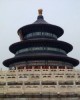
5 Ancient Temples to Visit in China
When visiting China, most people would like a quick immersion in the culture, including traditional foods, sights, and markets. Some of the most popular sights
Quick tours search
Tour Categories
- Any tour category in China
- Adventure tour in China
- Arts and Crafts tour in China
- Boating and Sailing tour in China
- Children's tour in China
- Culture and History tour in China
- Excursion in China
- Gourmet & Cooking tour in China
- Private tour in China
- Railway trip in China
- Shopping tour in China
- Sightseeing Nature tour in China
- Walking tour in China
Private Guide in China

Harris
Private Guide in Shanghai
Looking for the best guide to take you through the beautiful city of Shanghai? Harris is just the man you need! Read more
Tour in India
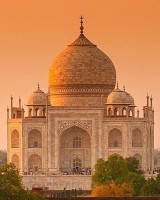
Private tour in Jaipur
Morning visit the world famous beautiful Taj Mahal built by the Moghul Emperor Shahjehan in 1630 for his beloved Queen Mumtaz Mahal to enshrine her mortal remains. Taj Mahal was built in 20 years and over 20,000 worker had worked in constructing it. Read more