


 French
 Spanish
 Russian
Morocco : Tours and Excursion
Attention!!! There are tours with discounts.
Dar Si Said Museum
Dar Si Said Museum is a museum of Moroccan arts and crafts located in a 19th-century palace in Marrakech. The museum showcases traditional Berber jewelry, carpets, weapons, and woodwork, making it a key stop on a Culture and History tour of the city.
History & Origins
The palace was built in the late 19th century for Si Said, the brother of Grand Vizier Ba Ahmed. It was converted into a museum in 1932 to preserve Moroccan craftsmanship.
The museum's collection includes artifacts from across Morocco, with a focus on the Berber and Arab traditions of the Atlas Mountains and Sahara regions.
Many of the exhibits were collected during the French protectorate period, when there was renewed interest in indigenous arts.
Architecture & Features
The palace itself is a fine example of Moroccan architecture, with carved cedar wood, stucco, and zellij tilework. The central courtyard features a traditional fountain and garden.
The museum is divided into sections dedicated to different crafts, including jewelry, textiles, pottery, and weapons. The woodwork collection includes doors, ceilings, and furniture from various periods.
Legends & Facts
Some of the jewelry on display was worn by Berber brides as part of their dowry, with pieces passed down through generations.
The museum's collection of daggers includes rare examples from the Tuareg and other Saharan tribes.
The wooden ceilings were dismantled from other historic buildings and reassembled in the museum.
Tourist Tips
Allow at least an hour to explore the museum. The upper floors offer views of the courtyard and exhibits. Photography is permitted but without flash.
Nearby
- Bahia Palace: A 19th-century palace with stunning gardens and architecture.
- Koutoubia Mosque: The largest mosque in Marrakech, with a 12th-century minaret.
- Jardin Majorelle: A botanical garden designed by French painter Jacques Majorelle.
- Saadian Tombs: 16th-century mausoleums of the Saadian dynasty.
- Souks of Marrakech: Traditional markets selling spices, textiles, and crafts.
Practical FAQ for Travelers
What are the opening hours?
The museum is open from 9:00 AM to 4:30 PM daily, except Tuesdays.
Is there an entrance fee?
Yes, there is a small entrance fee for visitors.
What is the best time to visit?
Mornings are less crowded. Avoid midday heat in summer.
Are there guided tours available?
No, but information plaques are in French and Arabic.
Is the museum accessible for wheelchair users?
The ground floor is accessible, but upper floors are not.
Can I take photos?
Yes, but flash photography is prohibited.
Dar Si Said Museum: Private tours and Excursions. Hurry up and book a tour with a discount.
-
Special Offer!
Private tour in Casablanca - Casablanca Private Morocco Tours
Day 1: Casablanca – Meknes – Volubilis – Fes. Day 2: Exploring Fes. Day 3: Fes – Ifrane – Azrou – Errachid -
Special Offer!
Excursion in Marrakech - Desert tour Morocco
This private tour in Marrakech lasts for at least nine days, but the length of the tour depends on you. If you want to spend more days touring with us -

Culture and History tour in Marrakech - From Tangier to Fes, Marrakech & Merzouga,...
Atlas Mountains, sophisticated Moorish culture and the complex soul of Morocco The Middle Atlas mountain region is in total contrast to the sophistic -
Special Offer!
Private tour in Marrakech - Imperial cities Morocco
Day 1: Marrakech Upon arrival at Menara Airport in Marrakesh , we will welcome you and transfer you to the hotel or Riad where you can relax an -
Special Offer!
Culture and History tour in Marrakech - Imperial city Tours 9 Days / 8 Nights
Explore the Imperial cities 9 days / 8 nights Start from Marrakech Cultural tour through the most beautiful & exciting place -
Special Offer!
Culture and History tour in Casablanca - Luxury Morocco tours
Marrakech is one of the four Moroccan imperial cities. Some people know it simply as the “Ochre City”. It is worth noting that it is consi -
Special Offer!
Excursion in Marrakech - Marrakech Day Trip
Ourika Valley Only 1h drive(60km) to get out from the noisy Marrakech Medina & join the magnificent valley of Ourika in the Atlas Mountains pass -
Special Offer!
Adventure tour in Marrakech - Marrakech to Fes Desert Tours
Four days to explore the chain of the High Atlas ranges and the Canyons of Dadès and Todra. You will admire also the sunrise of the famous dune -
Special Offer!

Culture and History tour in Casablanca - Marrakesh & The Kasbah trial
Day 1: Casablanca – Rabat: Upon arrival, we’ll collect you and drive to Casablanca where you’ll visit the Hassan II Mosque, the lar -
Special Offer!
Private tour in Casablanca - Morocco Grand Tour
Jrana Morocco Tours MoroccoGrand Tour This16days expeditionincludes thehighlightsofMorocco.Theguided tourstarts and ends inCasablanca. Itincludesthe -
Special Offer!
Culture and History tour in Marrakech - VIP TOURS Morocco
Day 1 : Arrive in Marrakech Marrakech’s weather can be energy-sapping hot or surprisingly cold, depending on the time of year. Either way, give -
Culture and History tour in Marrakech - Marrakech sightseeing
Marrakech is one of the four Moroccan imperial cities. Some people know it simply as the “Ochre City”. It is worth noting that it is consi
Quick tours search
Tour Categories
- Any tour category in Morocco
- Adventure tour in Morocco
- Arts and Crafts tour in Morocco
- Culture and History tour in Morocco
- Excursion in Morocco
- Expedition in Morocco
- Gourmet & Cooking tour in Morocco
- Hiking tour in Morocco
- Jeep tour in Morocco
- Private tour in Morocco
- Safari in Morocco
- Shopping tour in Morocco
- Sightseeing Nature tour in Morocco
- Walking tour in Morocco
Private Guide in Morocco

Mustapha
Private Guide in Marrakech
My name is Mustapha. I am your guide and will support you during the tour. I promise you are going to enjoy your stay here in Morocco. This is a beautiful, quiet country where ... Read more
Tour in Kenya
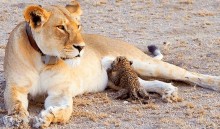
7-Day Explore Wildlife Samburu Great Rift Valley Lakes
Safari in Nairobi
Samburu National Reserve is situated about 350 kms north of Nairobi in the semi arid part of Kenya. Ewaso Nyiro River, bisects the reserve and the river is home to some of the biggest Reptiles in the region and attracts a good number of birds.
Read more