


 French
 Spanish
 Russian
Morocco : Tours and Excursion
Attention!!! There are tours with discounts.
History & Origins
The square dates back to the 11th century when it was established as a marketplace and public gathering place. Over the centuries, it has served various purposes, including as a site for public executions, which is reflected in its name, meaning 'Assembly of the Dead'.
During the Almoravid dynasty, the square was a central hub for trade and commerce, connecting the city with the surrounding regions. It has remained a focal point of Marrakech's social and cultural life ever since.
In the 20th century, Jemaa El Fna square became a symbol of Moroccan heritage and a major tourist attraction, drawing visitors from around the world.
Architecture & Features
The square is surrounded by historic buildings, including the Koutoubia Mosque, which dominates the skyline with its towering minaret. The architecture reflects the rich history and cultural influences of Marrakech.
The square itself is an open space with no permanent structures, allowing for flexibility in its use. It is paved with traditional Moroccan tiles and features fountains and seating areas.
Legends & Facts
One of the most enduring legends associated with the square is that it was once a site for public executions, though this practice ceased centuries ago. Today, it is a place of celebration and community.
The square is also famous for its nightly transformation, as food stalls and performers take over the space, creating a bustling and colorful scene.
Another interesting fact is that the square has been featured in numerous films and television shows, further cementing its status as an iconic location.
Tourist Tips
Visitors should arrive in the late afternoon or evening to experience the square at its liveliest. It is recommended to try the local street food, such as grilled meats and fresh juices, and to watch the performances, which include musicians, acrobats, and storytellers.
It is also advisable to be cautious of pickpockets and to negotiate prices with vendors before making a purchase.
Nearby
- Koutoubia Mosque: A historic mosque with a stunning minaret.
- Marrakech Medina: A UNESCO World Heritage Site with narrow streets and traditional markets.
- Saadian Tombs: A royal burial site with intricate decorations.
- Bahia Palace: A 19th-century palace with beautiful gardens.
- Majorelle Garden: A botanical garden with vibrant blue buildings.
Practical FAQ for Travelers
What are the opening hours?
The square is open 24 hours a day, but it is most lively in the evening.
Is there an entrance fee?
No, entry to the square is free.
What is the best time to visit?
The best time to visit is in the late afternoon or evening when the square is most active.
Are there any dress code requirements?
There is no specific dress code, but modest clothing is recommended.
Is the square accessible for children?
Yes, the square is family-friendly, but parents should keep an eye on their children due to the crowds.
Can I take photos?
Yes, photography is allowed, but be respectful of performers and vendors who may ask for a tip.
Jemaa El Fna square: Private tours and Excursions. Hurry up and book a tour with a discount.
-
Walking tour in Marrakech - 3 Hours Marrakech Souks (Markets)
Get ready to immerse yourself in the rich cultural tapestry and historical wonders of this enchanting destination. In this 3-hour walking tour, we -

Culture and History tour in Marrakech - From Tangier to Fes, Marrakech & Merzouga,...
Atlas Mountains, sophisticated Moorish culture and the complex soul of Morocco The Middle Atlas mountain region is in total contrast to the sophistic -
Private tour in Marrakech - Highlights Tour of Marrakech
Marrakech Private Cultural Tour Marrakech the Red is the heart of that beats an African identity into the complex soul of Morocco. The city walls, ov -
Shopping tour in Marrakech - Marrakech Shopping Tour
Exploring Marrakech Markets : Immerse yourself in the colors and cultural richness of Marrakech through a shopping tour. Discover hidden gems, haggle -
Shopping tour in Marrakech - Marrakesh Souks
Uncover the vibrant souks of Marrakech on this immersive shopping tour. Accompanied by a local expert, navigate the bustling markets filled with spice -
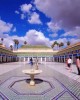
Private tour in Casablanca - Morocco Grand Tour
Day 1: Casablanca Arrive at Casablanca Mohammed V International Airport. Transfer to your hotel and relax. Visit the magnificent Hassan II Mosque -
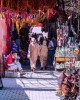
Shopping tour in Marrakech - Private Shopping Tour in the Souks
Experience Highlights Enjoy a personalized and curated shopping experience in the city's Souks Shop for souvenirs and basic items, or artisanal c -
Special Offer!
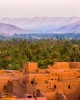
Culture and History tour in Casablanca - The essential of Morocco
Day : 8 Night : 7 Itineraries DAY 1 CASABLANCA You will be welcomed by your guide and driver upon arrival to casablanca. Then transfer to your hot -
Special Offer!

Culture and History tour in Casablanca - The grand tour of Morocco
Itineraries DAY 1. ARRIVE CASABLANCA, MOROCCO Upon arrival You will be met by your guide at the airport in Casablanca. Then we begin our transfer ov
Quick tours search
Tour Categories
- Any tour category in Morocco
- Adventure tour in Morocco
- Arts and Crafts tour in Morocco
- Culture and History tour in Morocco
- Excursion in Morocco
- Expedition in Morocco
- Gourmet & Cooking tour in Morocco
- Hiking tour in Morocco
- Jeep tour in Morocco
- Private tour in Morocco
- Safari in Morocco
- Shopping tour in Morocco
- Sightseeing Nature tour in Morocco
- Walking tour in Morocco
Private Guide in Morocco

Mustapha
Private Guide in Marrakech
My name is Mustapha. I am your guide and will support you during the tour. I promise you are going to enjoy your stay here in Morocco. This is a beautiful, quiet country where ... Read more
Tour in Kenya
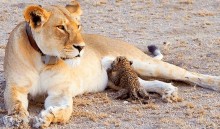
7-Day Explore Wildlife Samburu Great Rift Valley Lakes
Safari in Nairobi
Samburu National Reserve is situated about 350 kms north of Nairobi in the semi arid part of Kenya. Ewaso Nyiro River, bisects the reserve and the river is home to some of the biggest Reptiles in the region and attracts a good number of birds.
Read more