


 French
 Spanish
 Russian
Morocco : Tours and Excursion
Attention!!! There are tours with discounts.
History & Origins
The Ksar of Ait Benhaddou dates back to the 17th century, although some structures may be older. It was a key stop for traders traveling between the Sahara and Marrakech, serving as a hub for the exchange of goods such as salt, gold, and spices. The ksar's strategic location made it a vital part of the trans-Saharan trade routes.
Architecture & Features
The ksar is built entirely from rammed earth, mud brick, and wood, materials that are well-suited to the hot, arid climate of the region. The buildings are tightly packed within the defensive walls, creating a labyrinth of narrow alleyways and courtyards. The ksar's architecture is characterized by its use of geometric patterns and decorative motifs, which are typical of southern Moroccan design.
Legends & Facts
One of the most fascinating aspects of Ait Benhaddou is its role in popular culture. The ksar has been featured in numerous films and TV shows, making it one of the most recognizable landmarks in Morocco. Its dramatic landscape and well-preserved architecture make it a favorite location for filmmakers.
Tourist Tips
Visitors to Ait Benhaddou should wear comfortable shoes, as the terrain can be uneven. The best time to visit is early in the morning or late in the afternoon, when the light is most favorable for photography. Guided tours are available, but the ksar can also be explored independently.
Nearby
- Ouarzazate: Known as the 'Hollywood of Morocco,' this city is home to several film studios and museums.
- Todgha Gorge: A stunning canyon with towering cliffs, perfect for hiking and rock climbing.
- Draa Valley: A lush oasis surrounded by desert, known for its palm groves and traditional Berber villages.
- Atlas Film Studios: One of the largest film studios in the world, located in Ouarzazate.
- Taourirt Kasbah: A historic fortress in Ouarzazate, known for its intricate architecture and panoramic views.
Practical FAQ for Travelers
What are the opening hours?
The ksar is open daily from 8:00 AM to 6:00 PM.
Is there an entrance fee?
Yes, there is a small entrance fee of approximately 20 Moroccan Dirhams.
What is the best time to visit?
The best time to visit is early in the morning or late in the afternoon to avoid the heat and crowds.
Is the ksar accessible for children?
Yes, the ksar is accessible for children, but parents should be mindful of the uneven terrain.
Are pets allowed?
Pets are allowed, but they must be kept on a leash at all times.
Is there a dress code?
There is no strict dress code, but modest clothing is recommended out of respect for local customs.
Ksar of Ait Benhaddou: Private tours and Excursions. Hurry up and book a tour with a discount.
-
Special Offer!
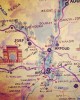
Private tour in Casablanca - Casablanca Private Morocco Tours
Day 1: Casablanca – Meknes – Volubilis – Fes. Day 2: Exploring Fes. Day 3: Fes – Ifrane – Azrou – Errachid -
Special Offer!
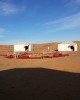
Private tour in Marrakech - Merzouga Luxury desert Tours
MERZOUGA LUXURY DESERT TOURS 3 Days / 2 Nights Marrakech → Merzouga Day 1: Departure from Marrakech, cross the High Atlas via Tizi n&rsqu -
Special Offer!
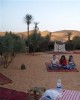
Private tour in Fez - Morocco Private Desert Tours
Day 1: Fes - Midelt – Merzouga 2Leave Fes and its intricate cloud of roads means somehow regain orientation. It's off to the desert. And the jo
Quick tours search
Tour Categories
- Any tour category in Morocco
- Adventure tour in Morocco
- Arts and Crafts tour in Morocco
- Culture and History tour in Morocco
- Excursion in Morocco
- Expedition in Morocco
- Gourmet & Cooking tour in Morocco
- Hiking tour in Morocco
- Jeep tour in Morocco
- Private tour in Morocco
- Safari in Morocco
- Shopping tour in Morocco
- Sightseeing Nature tour in Morocco
- Walking tour in Morocco
Private Guide in Morocco

Mustapha
Private Guide in Marrakech
My name is Mustapha. I am your guide and will support you during the tour. I promise you are going to enjoy your stay here in Morocco. This is a beautiful, quiet country where ... Read more
Tour in Kenya
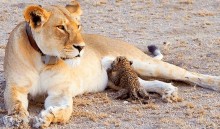
7-Day Explore Wildlife Samburu Great Rift Valley Lakes
Safari in Nairobi
Samburu National Reserve is situated about 350 kms north of Nairobi in the semi arid part of Kenya. Ewaso Nyiro River, bisects the reserve and the river is home to some of the biggest Reptiles in the region and attracts a good number of birds.
Read more