


 French
 Spanish
 Russian
Croatia : Tours and Excursion
History & Origins
Plitvice Lakes National Park was established in 1949, making it the oldest national park in Croatia. The park's unique landscape was formed over thousands of years through the natural process of travertine deposition, which creates the distinctive barriers and terraces that separate the lakes.
The area has been inhabited since prehistoric times, and evidence of human activity can be found in the form of ancient settlements and burial mounds. The park's natural beauty has long been recognized, and it was designated a UNESCO World Heritage Site in 1979.
Architecture & Features
Plitvice Lakes National Park is characterized by its 16 interconnected lakes, which are divided into upper and lower clusters. The lakes are renowned for their vibrant colors, ranging from azure to green, depending on the mineral content and sunlight. The park's most famous waterfall, Veliki Slap, stands at 78 meters tall and is one of the most photographed landmarks in Croatia.
The park is crisscrossed by a network of wooden walkways and hiking trails, allowing visitors to explore the lakes and waterfalls up close. There are also several viewpoints and observation decks that offer panoramic views of the park's stunning landscape.
Legends & Facts
One of the most interesting legends associated with Plitvice Lakes is the story of the Black Queen, a mythical figure who is said to have created the lakes with her tears. According to the legend, the queen wept for her lost love, and her tears formed the lakes and waterfalls.
Another notable fact is that the park is home to one of the oldest and largest populations of European brown bears in the region. The bears are rarely seen by visitors, but their presence adds to the park's sense of wilderness and natural beauty.
Tourist Tips
To make the most of your visit to Plitvice Lakes National Park, start your day early to avoid the crowds and make the most of the daylight. Wear comfortable walking shoes and bring plenty of water, as there are limited facilities within the park.
Consider taking a boat ride across Kozjak Lake, the largest lake in the park, for a unique perspective of the landscape. Don't forget your camera, as the park offers countless photo opportunities.
Nearby
- Rastoke Village: A picturesque village known for its watermills and waterfalls.
- Bara? Caves: A series of limestone caves with impressive stalactite and stalagmite formations.
- Zrmanja River: A popular destination for kayaking and rafting, known for its crystal-clear waters and dramatic canyons.
- Paklenica National Park: A rugged mountain park known for its hiking trails and rock climbing opportunities.
- Krka National Park: Another stunning national park known for its waterfalls and lush vegetation.
Practical FAQ for Travelers
What is the best time to visit Plitvice Lakes National Park?
The best time to visit Plitvice Lakes National Park is during the spring and autumn months, when the weather is mild and the park is less crowded.
How long does it take to explore the park?
The duration of your visit will depend on the trails you choose. A full day is recommended to fully explore the park's lakes and waterfalls.
Is the park suitable for children?
Yes, Plitvice Lakes National Park is suitable for children, but it is recommended to keep a close eye on them, especially near the water.
Are there any facilities in the park?
There are several facilities within the park, including restrooms, restaurants, and souvenir shops.
Is Plitvice Lakes National Park accessible for people with disabilities?
Some areas of the park are accessible for people with disabilities, but the wooden walkways and trails may be challenging for those with mobility issues.
Plitvice Lakes National Park: Private tours and Excursions.
-
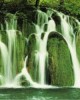
Sightseeing Nature tour in Split - UNESCO National park Plitvice Waterfalls
Tour: Must-see natural heritage of Croatia: UNESCO National park Plitvice Waterfalls (10-11 hrs tour) Of all the things Croatia has to offer to visit
Plitvice Lakes National Park: Tour Guides
-

Tour Guide in Split - Matt
Please note, you can find all the tour costs at the end of the paragraph of the tour descriptions (also please check if tour base is Split or Dubrovnik). You ca
Quick tours search
Tour Categories
Private Guide in Greece
Angelo
Private Guide in Katerini
I can make your hiking, beach bar hopping and educational experience one of a kind! You will learn everything you ever wondered about this beautiful country. Read more