


 French
 Spanish
 Russian
Spain : Tours and Excursion
History & Origins
The museum was inaugurated in 1992, named after Queen Sofia of Spain.
The building was originally a hospital, designed by architect Francisco Sabatini in the 18th century.
The museum's collection focuses on Spanish and international contemporary art, with a strong emphasis on the avant-garde movements of the 20th century.
Architecture & Features
The museum's main building is a striking example of neoclassical architecture, with a modern extension designed by Jean Nouvel.
The interior features a series of galleries arranged around a central courtyard, with natural light streaming in through skylights.
The museum's collection includes over 21,000 works, ranging from paintings and sculptures to photography and video art.
Legends & Facts
The museum's most famous work is 'Guernica' by Pablo Picasso, a powerful anti-war painting created in response to the bombing of Guernica during the Spanish Civil War.
The Queen Sofia Museum was declared a UNESCO World Heritage Site in 2005.
The museum's library houses one of the largest collections of art books in Spain.
Tourist Tips
Plan your visit early in the morning to avoid the crowds.
Consider purchasing a combined ticket that includes access to other nearby museums.
Don't miss the museum's temporary exhibitions, which often feature rare and unique works.
Nearby
- Retiro Park: A large public park with beautiful gardens and a lake.
- Prado Museum: Spain's premier art museum, featuring a vast collection of European art.
- Thyssen-Bornemisza Museum: Another major art museum in Madrid, featuring a diverse collection.
- Royal Palace of Madrid: The official residence of the Spanish royal family.
- Puerta del Sol: A bustling square and one of Madrid's most famous landmarks.
Practical FAQ for Travelers
What are the opening hours of the Queen Sofia Museum?
The museum is open from 10:00 AM to 9:00 PM, Monday to Saturday, and from 10:00 AM to 7:00 PM on Sundays.
Are there entrance fees for the Queen Sofia Museum?
Yes, general admission is Ђ10, with discounts available for students and seniors.
How long should I plan to spend at the Queen Sofia Museum?
Plan for at least 2-3 hours to explore the main galleries.
Is photography allowed inside the museum?
Photography is allowed, but without flash.
Is the museum accessible for visitors with disabilities?
Yes, the museum is fully accessible, with ramps and elevators available.
Are there guided tours available?
Yes, guided tours are available, but must be booked in advance.
Queen Sofia Museum: Articles
-
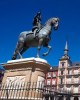
Top ten free-to-go places in Madrid
There's no arguing about the fact that Madrid is one of the main tourist hubs in Europe, and Spain's most visited city. And as in most other popular tourist pla
Quick tours search
Tour Categories
Private Guide in Belgium
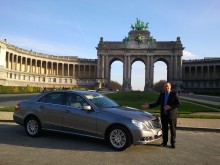
Mike
Private Guide in Brussels
40 years of tourism and hotel business experience. Private guide Mike is devoted to providing his guests with a memorable experience that exceeds all their expectations. Read more