


 French
 Spanish
 Russian
: Tours and Excursion
Red-light district
The Red-light district, known locally as De Wallen, is one of Amsterdam's most famous and controversial areas. It is characterized by its narrow streets, historic buildings, and neon-lit windows where sex workers advertise their services.
History & Origins
The Red-light district has been a part of Amsterdam since the 14th century, when the city's port attracted sailors and traders from around the world.
Over the centuries, the area evolved into a hub for prostitution, but it also became a center for commerce and culture.
In recent years, the city has implemented regulations to modernize the district and improve conditions for sex workers.
Architecture & Features
The district features a mix of medieval and modern architecture, with many buildings dating back to the 17th century.
The area is also home to several historic churches, including the Oude Kerk, which is the oldest building in Amsterdam.
Legends & Facts
One interesting fact is that the Red-light district is one of the safest areas in Amsterdam, thanks to strict regulations and a strong police presence.
Another notable aspect is the district's role in Amsterdam's cultural history, as it has been a subject of art and literature for centuries.
The area also hosts the Prostitution Information Center, which provides educational resources about the sex industry.
Tourist Tips
Visitors should respect the local customs and avoid taking photos of the sex workers.
The district is best explored on foot, but guided tours are also available for those who want to learn more about its history.
Nearby
- Oude Kerk - Amsterdam's oldest church, located in the heart of the Red-light district.
- China Town - A vibrant area with Asian restaurants and shops.
- Nieuwmarkt - A historic square with a lively market and cafes.
- Rembrandt House Museum - The former home of the famous Dutch painter.
- Waterlooplein Flea Market - A popular market for antiques and vintage items.
Practical FAQ for Travelers
What are the opening hours?
The district is accessible 24/7, but businesses have varying hours.
Is it safe to visit at night?
Yes, but it's best to stay in well-lit areas and avoid large crowds.
Are there guided tours?
Yes, but they focus on the history and culture of the area.
Is photography allowed?
No, photography of the sex workers is strictly prohibited.
Is the area accessible for wheelchair users?
Yes, but some streets are narrow and cobbled.
Are pets allowed?
Yes, but keep them on a leash.
Red-light district: Private tours and Excursions.
-
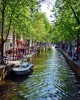
Culture and History tour in Brussels - The Netherlands, the trading capital: Amsterdam
Rated one of Europe's top destinations, a visit to Amsterdam means a schedule packed full of museums, attractions, nightlife and more. Here you will f