


 French
 Spanish
 Russian
Spain : Tours and Excursion
The Sagrada Familia, officially known as the Basilica and Temple Expiatori de la Sagrada Familia, is a large Roman Catholic church in Barcelona, Spain. Designed by the renowned architect Antoni Gaudi, the church is one of the most iconic landmarks in the world and a UNESCO World Heritage Site. Construction began in 1882 and is still ongoing, making it one of the longest-running construction projects in history.
History & Origins
The Sagrada Familia was originally conceived by architect Francisco de Paula del Villar, who designed a neo-Gothic church. However, Antoni Gaudi took over the project in 1883 and completely transformed the design, incorporating his unique architectural style. Gaudi devoted the last years of his life to the project, and after his death in 1926, construction continued based on his plans and models.
The church is funded entirely by donations and ticket sales, which has contributed to the slow pace of construction. Despite this, the Sagrada Familia has become a symbol of Barcelona and a major tourist attraction, drawing millions of visitors each year.
The church is expected to be completed by 2026, marking the centennial of Gaudi's death. Once finished, it will be the tallest church in the world, standing at 172.5 meters tall.
Architecture & Features
The Sagrada Familia is renowned for its unique and intricate design, which combines Gothic and Art Nouveau elements. The church features three grand facades: the Nativity Facade, the Passion Facade, and the Glory Facade. Each facade is richly decorated with sculptures and carvings that depict various biblical scenes.
The interior of the church is equally impressive, with towering columns that resemble trees, creating a forest-like atmosphere. The stained glass windows allow natural light to filter through, casting a colorful glow on the interior. The church's design is a testament to Gaudi's genius and his deep connection to nature and religion.
Legends & Facts
One of the most fascinating facts about the Sagrada Familia is that Gaudi knew he would not live to see its completion. He left detailed plans and models for future architects to follow, ensuring that his vision would be realized.
Another interesting aspect of the church is its use of symbolism. Every element of the design, from the facades to the interior, has a specific meaning and purpose, reflecting Gaudi's deep religious beliefs.
The Sagrada Familia has also been the subject of controversy over the years, particularly regarding its construction timeline and funding. Despite these challenges, the church remains a beloved symbol of Barcelona and a testament to Gaudi's architectural legacy.
Tourist Tips
When visiting the Sagrada Familia, it is recommended to purchase tickets in advance, as the church is one of the most popular tourist attractions in Barcelona. Audio guides and guided tours are available to provide detailed information about the church's history and architecture.
Consider hiring a private guide to enhance your experience. A private guide can offer personalized insights and help you navigate the church's complex design and symbolism.
Nearby
- Park Guell: A public park designed by Antoni Gaudi, featuring colorful mosaics and unique architectural elements.
- Casa Batllo: Another iconic Gaudi-designed building, known for its undulating facade and vibrant colors.
- La Rambla: A bustling street in Barcelona, lined with shops, restaurants, and street performers.
- Barcelona Cathedral: A Gothic cathedral located in the Gothic Quarter of Barcelona.
- Montjuic Castle: A historic fortress offering panoramic views of Barcelona and the Mediterranean Sea.
Practical FAQ for Travelers
How do I purchase tickets for the Sagrada Familia?
Tickets can be purchased online or at the church's ticket office. It is highly recommended to buy tickets in advance, especially during peak tourist season.
What is the best time to visit the Sagrada Familia?
The church is less crowded in the early morning or late afternoon. Weekdays are generally less busy than weekends.
How long does it take to explore the Sagrada Familia?
A visit to the church typically takes about 2 to 3 hours, depending on your pace and interests.
Are photography and videography allowed inside the church?
Yes, photography and videography are allowed inside the church, but flash photography and tripods are prohibited.
Is the Sagrada Familia accessible for visitors with disabilities?
Yes, the church is accessible for visitors with disabilities, with ramps and elevators available to reach different levels.
Why should I hire a private guide for the Sagrada Familia?
A private guide can provide personalized insights and detailed information about the church's history, architecture, and symbolism, making your visit more enriching and enjoyable.
Sagrada Familia: Articles
-

Cheap Hotels in Barcelona
There are lots of hotels in Barcelona. It is not a surprise, as far as it is one of the most visited cities in Spain. However most of them are too luxurious and
Quick tours search
Tour Categories
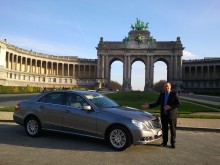
Private Guide in Belgium
Mike
Private Guide in Brussels
40 years of tourism and hotel business experience. Private guide Mike is devoted to providing his guests with a memorable experience that exceeds all their expectations. Read more