


 French
 Spanish
 Russian
Morocco : Tours and Excursion
Attention!!! There are tours with discounts.
Tiskiwin museum
The Tiskiwin museum is a unique cultural institution located in Meknes, Morocco. Founded by Dutch anthropologist Bert Flint, the museum showcases a vast collection of artifacts from across the Sahara and North Africa, highlighting the region's rich cultural heritage.
History & Origins
The museum was established in the late 20th century by Bert Flint, who spent decades collecting artifacts during his travels across North Africa. His goal was to preserve and promote the cultural traditions of the region.
The museum is housed in a traditional Moroccan riad, a type of house with an interior garden, which adds to its charm and authenticity. The building itself is a testament to Moroccan architecture, with its intricate tile work, carved wood, and stucco decorations.
Today, the Tiskiwin museum is a popular destination for tourists and scholars alike, offering a glimpse into the diverse cultures of North Africa.
Architecture & Features
The museum's exhibits are organized thematically, covering various aspects of Saharan and North African life, including clothing, jewelry, musical instruments, and household items. Each exhibit is accompanied by detailed descriptions in multiple languages.
The riad's interior features a central courtyard with a fountain, surrounded by rooms filled with artifacts. The walls are adorned with traditional Moroccan decorations, creating a visually stunning environment.
Legends & Facts
Bert Flint's collection includes rare and unique items, such as ancient Berber jewelry and traditional Saharan textiles, which are not found in other museums.
The museum's exhibits provide valuable insights into the daily lives and cultural practices of the people of North Africa, making it an important educational resource.
The Tiskiwin museum has been praised for its efforts to preserve and promote North African culture, earning recognition from both local and international organizations.
Tourist Tips
Plan to spend at least an hour exploring the museum's exhibits. Guided tours are available for those who want a more in-depth understanding of the collection.
Nearby
- Bab Mansour Gate: A grand entrance gate to the imperial city of Meknes.
- Mosque el Mansour: A historic mosque known for its architectural beauty.
- Mausoleum of Moulay Ismail: The final resting place of Sultan Moulay Ismail.
- Heri es-Souani: Massive granaries and stables built during the reign of Moulay Ismail.
- Place el-Hedim: A lively square surrounded by historic buildings and cafes.
Practical FAQ for Travelers
What are the opening hours?
The museum is open daily from 9 AM to 6 PM.
Is there an entrance fee?
Yes, there is a small entrance fee.
What is the best time to visit?
Early morning or late afternoon for the best lighting and fewer crowds.
Is the site accessible for children?
Yes, the museum is accessible for families with children.
Are pets allowed?
Pets are not allowed inside the museum.
Is there a dress code?
Modest clothing is recommended out of respect for local customs.
Tiskiwin museum: Private tours and Excursions. Hurry up and book a tour with a discount.
-
Special Offer!
Excursion in Marrakech - Desert tour Morocco
This private tour in Marrakech lasts for at least nine days, but the length of the tour depends on you. If you want to spend more days touring with us -
Culture and History tour in Marrakech - Marrakech sightseeing
Marrakech is one of the four Moroccan imperial cities. Some people know it simply as the “Ochre City”. It is worth noting that it is consi
Quick tours search
Tour Categories
- Any tour category in Morocco
- Adventure tour in Morocco
- Arts and Crafts tour in Morocco
- Culture and History tour in Morocco
- Excursion in Morocco
- Expedition in Morocco
- Gourmet & Cooking tour in Morocco
- Hiking tour in Morocco
- Jeep tour in Morocco
- Private tour in Morocco
- Safari in Morocco
- Shopping tour in Morocco
- Sightseeing Nature tour in Morocco
- Walking tour in Morocco
Private Guide in Morocco

Mustapha
Private Guide in Marrakech
My name is Mustapha. I am your guide and will support you during the tour. I promise you are going to enjoy your stay here in Morocco. This is a beautiful, quiet country where ... Read more
Tour in Kenya
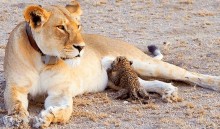
7-Day Explore Wildlife Samburu Great Rift Valley Lakes
Safari in Nairobi
Samburu National Reserve is situated about 350 kms north of Nairobi in the semi arid part of Kenya. Ewaso Nyiro River, bisects the reserve and the river is home to some of the biggest Reptiles in the region and attracts a good number of birds.
Read more