


 French
 Spanish
 Russian
Greece : Tours and Excursion
Attention!!! There are tours with discounts.
History & Origins
Ancient Olympia was a major religious and athletic center in ancient Greece. The first Olympic Games were held here in 776 BC and continued every four years until 393 AD when they were banned by the Roman Emperor Theodosius I.
The site was dedicated to Zeus, the king of the gods, and included the Temple of Zeus, which housed one of the Seven Wonders of the Ancient World, the Statue of Zeus.
Over the centuries, the site was abandoned and fell into ruin. It was rediscovered in the 18th century and has since been excavated and preserved as an archaeological site.
Architecture & Features
The site of Ancient Olympia includes several important structures, such as the Temple of Zeus, the Temple of Hera, the ancient stadium, and the Philippeion. The Temple of Zeus was a massive Doric temple that housed the Statue of Zeus, which was made of gold and ivory.
The ancient stadium is where the Olympic Games were held. It could accommodate up to 45,000 spectators and is still visible today. The Philippeion was a circular monument built by Philip II of Macedon to commemorate his victory at the Battle of Chaeronea.
Legends & Facts
One legend associated with Ancient Olympia is that it was founded by Hercules, who established the Olympic Games in honor of his father Zeus.
Another interesting fact is that the Olympic flame, which is lit during the modern Olympic Games, is still lit at the site of Ancient Olympia using a parabolic mirror to focus the sun's rays.
The Statue of Zeus, which was housed in the Temple of Zeus, was considered one of the Seven Wonders of the Ancient World. It was destroyed in a fire in the 5th century AD.
Tourist Tips
Visitors to Ancient Olympia should plan to spend at least half a day exploring the site. The archaeological museum, which is located nearby, is also worth a visit as it houses many artifacts from the site.
It is best to visit in the spring or fall when the weather is mild. Summer can be very hot, and winter can be rainy.
Nearby
- Archaeological Museum of Olympia - Houses artifacts from the site of Ancient Olympia.
- Temple of Zeus - The remains of the ancient temple dedicated to Zeus.
- Ancient Stadium - The site where the Olympic Games were held.
- Temple of Hera - One of the oldest temples in Greece, dedicated to the goddess Hera.
- Philippeion - A circular monument built by Philip II of Macedon.
Practical FAQ for Travelers
What are the opening hours?
Ancient Olympia is open from 8:00 AM to 8:00 PM during the summer and from 8:00 AM to 3:00 PM during the winter.
Is there an entrance fee?
Yes, there is an entrance fee of 12 Euro, which includes access to the archaeological site and the museum.
What is the best time to visit?
The best time to visit is in the spring or fall when the weather is mild.
Is the site accessible for children?
Yes, the site is accessible for children, but they should be supervised as it is an archaeological site.
Are pets allowed?
No, pets are not allowed inside the archaeological site.
Is there a dress code?
Visitors are advised to wear comfortable clothing and shoes as the site involves a lot of walking.
Ancient Olympia: Private tours and Excursions. Hurry up and book a tour with a discount.
-
Special Offer!
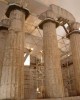
Private tour in Athens - Day tour to Ancient Olympia,Kaiadas,Temple of Apollo,Ancient Sparta and Mycenae
**This tour Starts from Athens** **The Final prices Are per group not per person** Are you ready for this amazing tour? In this amazing full day -
Special Offer!
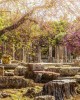
Private tour in Athens - Full Day Private Tour to Ancient Olympia and the Temple of Epicurean Apollo
In this amazing full day tour you will see the most beautiful sights and scenery. On our way I will give you a lot of information about history, mytho
Quick tours search
Tour Categories
Private Guide in Greece
Angelo
Private Guide in Katerini
I can make your hiking, beach bar hopping and educational experience one of a kind! You will learn everything you ever wondered about this beautiful country. Read more