


 French
 Spanish
 Russian
: Tours and Excursion
Attention!!! There are tours with discounts.
Arusha national Park
Arusha national Park is a small but diverse park located in northern Tanzania, near the city of Arusha. Covering an area of 552 square kilometers, the park is known for its varied landscapes, including Mount Meru, the second-highest peak in Tanzania, lush forests, and alkaline lakes. The park is home to a wide range of wildlife, including giraffes, zebras, and flamingos, making it a popular destination for nature lovers and hikers.
History & Origins
Arusha national Park was established in 1960 and is one of Tanzania's oldest national parks. The park was initially created to protect the diverse ecosystems found within its boundaries, including montane forests, grasslands, and volcanic landscapes. Mount Meru, the park's centerpiece, is an active stratovolcano and a popular alternative to Mount Kilimanjaro for climbers.
Architecture & Features
The park's infrastructure includes several lodges, campsites, and viewing points. The Momella Lakes, a series of alkaline lakes, are a highlight of the park and provide habitat for flamingos and other waterbirds. The park also features the Ngurdoto Crater, often referred to as the 'Little Ngorongoro,' due to its resemblance to the larger crater in Ngorongoro Conservation Area.
Legends & Facts
Mount Meru is considered a sacred mountain by the local Meru people, who believe it is the home of their god. The park is also known for its population of black-and-white colobus monkeys, which are often seen in the montane forests. The Momella Lakes are named after the Momella area, which was once a German coffee plantation.
Tourist Tips
Visitors should plan their trip during the dry season (June to October) for the best hiking and wildlife viewing conditions. The park offers guided walking safaris, canoeing on the Momella Lakes, and climbing Mount Meru. Don't forget to bring sturdy hiking boots and warm clothing for the higher altitudes.
Nearby
- Mount Kilimanjaro: Africa's highest peak, located approximately 100 kilometers from the park.
- Arusha City: A bustling city known for its markets and cultural attractions.
- Ngorongoro Conservation Area: A UNESCO World Heritage Site known for its wildlife and the Ngorongoro Crater.
- Lake Manyara National Park: A park known for its tree-climbing lions and alkaline lake.
- Tarangire National Park: Famous for its large elephant herds and baobab trees.
Practical FAQ for Travelers
What is the best time to visit Arusha national Park?
The best time to visit is during the dry season, from June to October, when the weather is favorable for hiking and wildlife viewing.
Are guided tours available?
Yes, guided walking safaris, canoeing trips, and Mount Meru climbs are available.
Is the park accessible for children?
Yes, the park is family-friendly, but children should be supervised during hikes and wildlife viewing.
What should I wear during my visit?
Wear layered clothing, sturdy hiking boots, and bring a waterproof jacket for unpredictable weather.
Are pets allowed in the park?
No, pets are not allowed to protect the park's wildlife.
Arusha national Park: Private tours and Excursions. Hurry up and book a tour with a discount.
-
Special Offer!
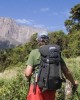
Trekking tour in Arusha - Mount Meru climbing tripTanzania
Private guide to escort Mount Meru climbing is available. Book tour and get personalized Kilimanjaro trekking private guide in Tanzania. 3 days is eno -
Special Offer!

Eco and Wildlife tour in Moshi - Tanzania wildlife safaris, walking safaris, trekking
Booking private guides escort walking safaris in Tanzania. Walking safari can be done as additional adventure activity during Tanzania safari. Armed r
Quick tours search
Tour Categories
- Any tour category
- Adventure tour
- Arts and Crafts tour
- Boating and Sailing tour
- Children's tour
- Culture and History tour
- Diving tour
- Eco and Wildlife tour
- Excursion
- Expedition
- Fishing tour
- Gourmet & Cooking tour
- Hiking tour
- Hunting tour
- Jeep tour
- Private tour
- Railway trip
- Safari
- Shopping tour
- Sightseeing Nature tour
- Trekking tour
- Walking tour
- Wine tasting tour
Private Guide in Fiji
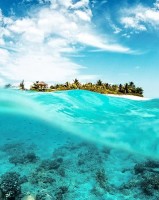
Ben
Private Guide in Nadi
This is where you experience the lively sunshine and smiling faces of the Fijian people. Come join me and experience for yourself that Fiji is the place to be. Read more
Tour in Kenya
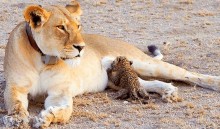
7-Day Explore Wildlife Samburu Great Rift Valley Lakes
Safari in Nairobi
Samburu National Reserve is situated about 350 kms north of Nairobi in the semi arid part of Kenya. Ewaso Nyiro River, bisects the reserve and the river is home to some of the biggest Reptiles in the region and attracts a good number of birds.
Read more