


 French
 Spanish
 Russian
: Tours and Excursion
Attention!!! There are tours with discounts.
The Black Church, located in Brasov, Romania, is one of the most iconic landmarks in the country. Officially known as the Biserica Neagra, this Gothic-style church is renowned for its imposing blackened walls, which are the result of a devastating fire in 1689. The church is a testament to the resilience and architectural prowess of the medieval period. A private guide can provide a deeper understanding of the church's history, architecture, and cultural significance.
History & Origins
The Black Church was constructed in the 14th century and completed in 1477. It was originally built as a Roman Catholic church but later became a Lutheran church following the Reformation. The church's name derives from the blackened walls that resulted from a massive fire in 1689, which destroyed much of Brasov.
Architecture & Features
The Black Church is a prime example of Gothic architecture, with its towering spires, intricate stone carvings, and massive organ. The church's interior is adorned with beautiful stained glass windows, a collection of Anatolian carpets, and a large fresco depicting the Last Judgment. The organ, built in 1839, is one of the largest in Europe and is still used for concerts.
Legends & Facts
One of the most intriguing legends associated with the Black Church is the story of the 'Black Madonna,' a statue that miraculously survived the fire of 1689. Another fascinating fact is that the church houses one of the largest collections of Anatolian carpets in Europe, donated by merchants who traded with the Ottoman Empire.
Tourist Tips
When visiting the Black Church, it's advisable to arrive early to avoid crowds. The church is open to visitors year-round, but the best time to visit is during the summer months when the organ concerts are held. A private guide can help you navigate the church's history and architecture, ensuring you don't miss any of its hidden treasures.
Nearby
- Brasov Council Square: The heart of Brasov, known for its vibrant atmosphere and historic buildings.
- Mount Tampa: A popular hiking spot offering panoramic views of Brasov.
- Bran Castle: Often associated with the legend of Dracula, located just outside Brasov.
- Rope Street: One of the narrowest streets in Europe, located in the old town of Brasov.
- First Romanian School: A historic site located in the nearby village of Schei.
Practical FAQ for Travelers
What are the opening hours of the Black Church?
The Black Church is open daily from 10:00 AM to 7:00 PM, with shorter hours during the winter months.
Is there an entrance fee?
Yes, there is a small entrance fee of approximately 5 Euro per person.
Are guided tours available?
Yes, guided tours are available and are highly recommended to fully appreciate the church's history and architecture.
Is photography allowed inside the church?
Photography is allowed inside the church, but flash photography is prohibited.
Why is a private guide recommended for the Black Church?
A private guide can provide detailed insights into the church's history, architecture, and cultural significance, enhancing your overall experience.
Black Church: Private tours and Excursions. Hurry up and book a tour with a discount.
-

Trekking tour in Brasov - Bucegi Mountains
FIRST DAY: Start point Brasov city - Sinaia - Visit of Castle Peles (we'll stay overnight in tent or chalet depending on weather conditions). Trip tim -
Private tour in Bucharest - Romania, a destination with pleasure
Day 1 Bucharest-Sinaia Arrival at the International Airport Bucharest. Transfer to Sinaia (2 long hours), through the beautiful Prahova Valley Arri -
Private tour in Bucharest - The Eternity of the Apuseni Mountains
Tour DescriptionOver four thousand caves and caverns situated in these mountains, an ancient flora, simple natural landscapes, old buildings and tra -
Private tour in Bucharest - Why Romania
Day 1 Bucharest - Sinaia· Arival at the International Airport Bucharest · Transfer to Sinaia ( 2 hours) ), through the beautiful Praho -
Special Offer!
Culture and History tour in Bucharest - 2025 Bucovina & Transylvania Explorer - Romania Private Tour Guide
2025 Bucovina & Transylvania Explorer: The Best Tour of Romania in 6 Days. Day 1: Bucharest to Bucovina Begin your Romania private tour with a mo -
Special Offer!
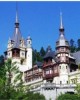
Excursion in Bucharest - 2025 Southern Transylvania Private Two-Day Trip
This is a two-day Romania Tour (starting and ending in Bucharest) and including all important Southern Transylvanian Highlights such as a tour of -
Special Offer!
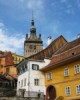
Culture and History tour in Bucharest - 2025 The Romanian Rhapsody Private Tour - The Original
Hunedoara Last Judgement Whole Sighisoara 2025 Tour Itinerary: Day 1: Bucharest ArrivalArrival to Coanda International Airport in
Black Church: Articles
-

Fun with Fangs: Vampire Tours in Romania
Tales of vampires have long been the source of chills and thrills for lovers of horror stories around the world. The popularity of vampire stories has been ever
Quick tours search
Tour Categories
- Any tour category
- Adventure tour
- Arts and Crafts tour
- Boating and Sailing tour
- Children's tour
- Culture and History tour
- Diving tour
- Eco and Wildlife tour
- Excursion
- Expedition
- Fishing tour
- Gourmet & Cooking tour
- Hiking tour
- Hunting tour
- Jeep tour
- Private tour
- Railway trip
- Safari
- Shopping tour
- Sightseeing Nature tour
- Trekking tour
- Walking tour
- Wine tasting tour
Private Guide in Fiji
Ben
Private Guide in Nadi
This is where you experience the lively sunshine and smiling faces of the Fijian people. Come join me and experience for yourself that Fiji is the place to be. Read more
Tour in New Zealand
Private tour in Auckland
Looking forward to have some great time on the beach? Want to discover the fruitful wine industry of the Auckland area? Well, with this private tour in Auckland you will enjoy both these great activities during a single day! Read more