


 French
 Spanish
 Russian
: Tours and Excursion
Attention!!! There are tours with discounts.
The Cham museum is a museum dedicated to the Cham civilization, located in Da Nang, Vietnam. It houses the world's largest collection of Cham artifacts, including sculptures, pottery, and textiles. The museum was established in 1915 by the French School of the Far East and is a must-visit for anyone interested in Southeast Asian history and culture.
History & Origins
The Cham museum was founded in 1915 to preserve the cultural heritage of the Cham people, an ancient civilization that once ruled much of central and southern Vietnam. The museum's collection includes artifacts dating back to the 7th century, showcasing the artistic and religious traditions of the Cham.
The museum was initially a small exhibition space but has since expanded to include over 300 artifacts. The collection was largely assembled during the French colonial period, with many pieces excavated from nearby archaeological sites.
The Cham people were heavily influenced by Indian culture, particularly Hinduism, which is evident in the museum's sculptures and reliefs. Many of the artifacts depict Hindu deities such as Shiva, Vishnu, and Brahma.
Architecture & Features
The museum's building is a blend of French colonial and traditional Cham architectural styles. The main hall features high ceilings and large windows, allowing natural light to illuminate the exhibits.
The artifacts are displayed in chronological order, with separate sections dedicated to different periods of Cham history. The museum also has a small garden where visitors can see larger sculptures and reliefs.
Legends & Facts
One of the most famous artifacts in the museum is a statue of the Hindu god Shiva, which was discovered in the ruins of the My Son sanctuary. The statue is considered a masterpiece of Cham art.
Another notable piece is a sandstone relief depicting a scene from the Ramayana, an ancient Indian epic. The relief is intricately carved and shows the influence of Indian art on Cham culture.
The museum also houses a collection of Cham pottery, which is known for its distinctive shapes and designs. Many of the pieces were used in religious ceremonies.
Tourist Tips
Visitors should allocate at least 1-2 hours to explore the museum. The exhibits are well-labeled in both Vietnamese and English, making it easy to understand the history and significance of the artifacts.
The museum is located near the Han River, making it a convenient stop for tourists exploring Da Nang. It is also close to other attractions such as the Marble Mountains and My Khe Beach.
Nearby
- Marble Mountains: A cluster of five marble and limestone hills with caves and Buddhist temples.
- My Khe Beach: A popular beach known for its white sand and clear water.
- Han River Bridge: A famous bridge that lights up at night.
- Da Nang Cathedral: A pink-painted church built during the French colonial period.
- Son Tra Peninsula: A scenic area with lush forests and a lighthouse.
Practical FAQ for Travelers
What are the opening hours?
The museum is open from 7:00 AM to 5:00 PM daily.
What is the best time to visit?
The museum is less crowded in the early morning or late afternoon.
How long does a visit typically take?
Most visitors spend 1-2 hours exploring the museum.
Is photography allowed?
Yes, photography is allowed, but flash photography is prohibited.
Is the museum accessible for children?
Yes, the museum is family-friendly, but younger children may find the exhibits less engaging.
Is there a dress code?
There is no strict dress code, but modest clothing is recommended.
Cham museum: Private tours and Excursions. Hurry up and book a tour with a discount.
-
Special Offer!

Excursion in Da Nang - Da Nang Plus Hoi An Private Shore Excursions from Chan May Port
Hoi An known as one of the most interesting and fascinated tourist destinations in Central Vietnam and the world. This place was made famous as a worl -
Special Offer!
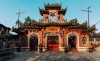
Excursion in Da Nang - Da Nang Plus Hoi An Private Shore Excursions from Tien Sa Port
Hoi An known as one of the most interesting and fascinated tourist destinations in Central Vietnam and the world. This place was made famous as a worl
Quick tours search
Tour Categories
- Any tour category
- Adventure tour
- Arts and Crafts tour
- Boating and Sailing tour
- Children's tour
- Culture and History tour
- Diving tour
- Eco and Wildlife tour
- Excursion
- Expedition
- Fishing tour
- Gourmet & Cooking tour
- Hiking tour
- Hunting tour
- Jeep tour
- Private tour
- Railway trip
- Safari
- Shopping tour
- Sightseeing Nature tour
- Trekking tour
- Walking tour
- Wine tasting tour
Private Guide in Argentina

Angeles
Private Guide in Buenos Aires
My tours are full of interesting information, including historic facts, relevant political data, and all those funny anecdotes that make tours memorable. Read more
Tour in Argentina
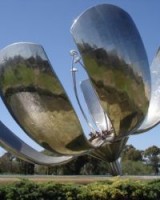
Culture and History tour in Buenos Aires
This is an extended version of the Buenos Aires' Highlights Tour! Read more