


 French
 Spanish
 Russian
: Tours and Excursion
Curonian Spit National Park, located in Neringa, Lithuania, is a UNESCO World Heritage Site known for its unique sand dunes, pine forests, and coastal landscapes. It is a popular destination for nature lovers and offers activities like hiking, birdwatching, and exploring traditional fishing villages. A private guide can enhance your experience by providing insights into the park's ecology and history.
History & Origins
The Curonian Spit was formed over thousands of years by wind and sea currents. It has been inhabited since prehistoric times, with evidence of ancient settlements. The area became a national park in 1991 to protect its unique environment.
Architecture & Features
The park features towering sand dunes, some reaching up to 60 meters in height, and dense pine forests. The coastal areas are home to diverse wildlife, including migratory birds.
Legends & Facts
Local legends tell of a giantess named Neringa who created the spit to protect fishermen from storms. The area is also known for its amber deposits, which have been collected for centuries.
Tourist Tips
Visit the Parnidis Dune for panoramic views of the Baltic Sea and the Curonian Lagoon. Explore the traditional fishing village of Juodkrant? and its famous Hill of Witches.
Nearby
- Nida: A charming town with colorful wooden houses and a Thomas Mann museum.
- Juodkrant?: Known for its Hill of Witches and amber museum.
- Klaip?da: A port city with a historic old town and maritime museum.
- Palanga: A seaside resort with a famous pier and botanical park.
- Љventoji: A quiet coastal village with sandy beaches and a lighthouse.
Practical FAQ for Travelers
How do I get tickets?
Entry to the park is free, but some attractions may charge a small fee.
What is the best time to visit?
The best time to visit is during the summer months when the weather is pleasant.
How long should I spend here?
Plan to spend at least a full day exploring the park.
Can I take photos?
Yes, photography is allowed and encouraged.
Is it kid-friendly?
Yes, the park is suitable for families with children.
Why hire a private guide?
A private guide can provide detailed information about the park's history and ecology, enhancing your visit.
Curonian Spit National Park: Private tours and Excursions.
-
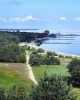
Excursion in Nida - Tour To National Park Of The Curronian Spit
Curonian Spit National Park was established on April 23rd, 1991 by the Act of the Supreme Council of the Republic of Lithuania "to preserve the m
Quick tours search
Tour Categories
- Any tour category
- Adventure tour
- Arts and Crafts tour
- Boating and Sailing tour
- Children's tour
- Culture and History tour
- Diving tour
- Eco and Wildlife tour
- Excursion
- Expedition
- Fishing tour
- Gourmet & Cooking tour
- Hiking tour
- Hunting tour
- Jeep tour
- Private tour
- Railway trip
- Safari
- Shopping tour
- Sightseeing Nature tour
- Trekking tour
- Walking tour
- Wine tasting tour
Private Guide in Ethiopia
Yonas
Private Guide in Addis Ababa
I taught for seven years in different parts of the country. Then I decided to go to school to study tourism. There, I got what my real soul is and for what purpose am created for! Read more
Tour in Kenya
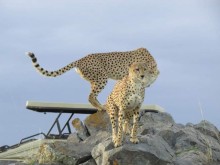
14-Day Discover Masai Mara Amboseli Serengeti Ngorongoro crater Zanzibar Beach Safari
Safari in Nairobi
Lake Nakuru is famous for its millions of flamigoes and migrant birds from over the world; in Nakuru we have upto 425 different bird species. You will leave back to the hotel before dark for your dinner and overnight at you lodge Read more