


 French
 Spanish
 Russian
: Tours and Excursion
Dogon country
The Dogon country is a region in Mali known for its unique cultural heritage and stunning landscapes. The area is home to the Dogon people, who have preserved their traditional way of life for centuries. The region is famous for its cliff-side villages, ancient granaries, and intricate mask dances.
History & Origins
The Dogon people settled in this region around the 15th century, fleeing from the advancing Islamic empires. Their villages are built along the Bandiagara Escarpment, a sandstone cliff that stretches over 150 kilometers. The Dogon are known for their advanced astronomical knowledge, which has been passed down through generations.
The architecture of Dogon villages is adapted to the rugged terrain, with houses made of mud and stone. The villages often include a central meeting place, granaries, and ceremonial buildings. The Togu Na, or men's house, is a notable feature, used for community gatherings and decision-making.
The Dogon are also renowned for their mask dances, which are performed during funerals and other important ceremonies. These masks represent various spirits and ancestors and are considered sacred.
Architecture & Features
The Dogon villages are built into the cliffs, with houses often stacked on top of each other. The granaries, with their pointed thatched roofs, are a distinctive feature of the landscape. The villages are designed to blend seamlessly with the natural environment, using local materials like mud, stone, and wood.
The Togu Na is a low-roofed structure supported by wooden pillars, often decorated with carvings. It serves as a gathering place for the village elders and is a symbol of community unity.
Legends & Facts
One of the most fascinating aspects of Dogon culture is their astronomical knowledge. They have detailed myths about the star Sirius, including the existence of a companion star, Sirius B, which was only confirmed by modern astronomy in the 20th century.
The Dogon also believe in a creation myth involving the Nommo, amphibious beings who came from the sky to bring civilization to Earth.
The Bandiagara Escarpment itself is considered sacred, with many caves and rock formations believed to be the dwelling places of spirits.
Tourist Tips
Visitors should plan to spend at least a few days exploring the region. The best time to visit is during the dry season (November to February), when temperatures are cooler. Wear comfortable hiking shoes, as the terrain can be rugged.
Nearby
- Bandiagara Escarpment - A stunning sandstone cliff that stretches over 150 kilometers.
- Sangha - A village known for its traditional Dogon architecture and mask dances.
- Teli - A village with ancient granaries and rock paintings.
- Djenne - A nearby town famous for its Great Mosque, the largest mud-brick building in the world.
- Mopti - A bustling port town on the Niger River, known for its vibrant markets.
Practical FAQ for Travelers
What is the best time to visit Dogon country?
The best time to visit is during the dry season, from November to February, when temperatures are cooler and the trails are more accessible.
Are there any entrance fees?
Some villages may charge a small fee for visitors, which goes toward community projects.
How long should I plan to stay?
A minimum of 3-4 days is recommended to fully explore the region.
Is it safe to travel in Dogon country?
While the region is generally safe, it's advisable to check current travel advisories and hire a local guide for trekking.
What should I wear?
Light, breathable clothing and sturdy hiking shoes are recommended. Modest dress is appreciated in the villages.
Dogon country: Private tours and Excursions.
-

Culture and History tour in Ouagadougou - 18 days Mali - Burkina Faso - Benin - Togo
Day 1: Arrive Bamako, Mali Day 2: Bamako Day 3: Bamako / Segou (drive) Day 4: Segou / Mopti (drive) Day 5: Mopti / Sangha -

Culture and History tour in Ouagadougou - Tour in Mali - Burkina Faso - Benin - Togo with Timbuktu
Tour Itinerary: Day 1: Bamako. Arrival, reception at the airport and transfer at the Grand hotel or a Similar. Includes: (D). Day 2: Bamako-Sigou Aft -
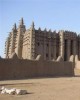
Culture and History tour in Bamako - 10 days Festival on the Niger at Segou, Mali
02 February 2011: Arrival in Bamako, Mali International flight arrives in Bamako in the evening; airport to hotel transfer; overnight in Bamako (hotel -
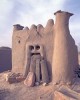
Private tour in Bamako - 11 days Mali tour
Day 1: Bamako.P.M.: Upon arrival at Bamako Senou airport, you will be met, assisted and transferred to your hotel. Overnight at hotel. Day 2: Bamako -

Jeep tour in Bamako - 15 days tour in Mali
Day 1: Europe - Bamako. P.M.: Upon arrival at Bamako airport, you will be met, assisted and transferred to your hotel. Overnight at hotel. Day 2: Bama -

Adventure tour in Bamako - 15 days tour Mali and Senegal
Day 1: Bamako. P.M.: Upon arrival at Bamako airport, you will be met, assisted and transferred to your hotel. Overnight at Hotel. Day 2: Bamako - S&ea -
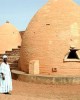
Jeep tour in Bamako - 18 days tour in Mali - Burkina - Benin - Togo
Day 1: Arrive Bamako, MaliAfter our International flight arrives in Bamako, capital of Mali, we are met by our local representatives and have an airpo -
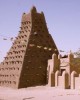
Private tour in Bamako - 20 Days in Africa
20 Days in Africa Burkina Faso - Mali - Senegal Day 1: Ouagadougou. P.M.: Upon arrival at Ouagadougou airport, you will be met, assisted and transfe -
Private tour in Bamako - 7 DaysTours Mali Express
Day 1 – Bamako / Mopti Breakfast and transfer to Mopti in the morning. En route, visiting of villages (bambarra, bobo), lunch at San, Post merid -

Adventure tour in Bamako - Festival in the desert Timbukutu Mali 14 days tour
Arrival - Bamako:Upon arrival in Bamako international airport, you will met, assisted and transferred to your hotel and then stay overnight.Bamako - S -

Arts and Crafts tour in Bamako - Festival on the Niger at Segou Mali 15 days
This cultural appointment constitutes a real combination of two kinds of music: traditional and modern one. A cultural celebration which is characteri
Quick tours search
Tour Categories
- Any tour category
- Adventure tour
- Arts and Crafts tour
- Boating and Sailing tour
- Children's tour
- Culture and History tour
- Diving tour
- Eco and Wildlife tour
- Excursion
- Expedition
- Fishing tour
- Gourmet & Cooking tour
- Hiking tour
- Hunting tour
- Jeep tour
- Private tour
- Railway trip
- Safari
- Shopping tour
- Sightseeing Nature tour
- Trekking tour
- Walking tour
- Wine tasting tour
Private Guide in Ethiopia

Yonas
Private Guide in Addis Ababa
I taught for seven years in different parts of the country. Then I decided to go to school to study tourism. There, I got what my real soul is and for what purpose am created for! Read more
Tour in India

Private tour in Jaipur
Morning visit the world famous beautiful Taj Mahal built by the Moghul Emperor Shahjehan in 1630 for his beloved Queen Mumtaz Mahal to enshrine her mortal remains. Taj Mahal was built in 20 years and over 20,000 worker had worked in constructing it. Read more