


 French
 Spanish
 Russian
Don Bosco house Don Bosco house Italy : Tours and Excursion
History & Origins
The Don Bosco house was established in the late 19th century as a residence for Saint John Bosco during his visits to Rome. It became a center for his educational and religious activities, particularly in the context of the Salesian Society's mission to support underprivileged youth.
The house has been preserved as a museum, showcasing artifacts and documents related to Don Bosco's life and work. It remains an important site for pilgrims and historians alike.
Over the years, the house has undergone several restorations to maintain its historical integrity, ensuring that future generations can continue to learn from Don Bosco's legacy.
Architecture & Features
The Don Bosco house features a simple yet elegant architectural style typical of the late 19th century. The building is characterized by its brick facade and symmetrical design, reflecting the practical and functional approach of the Salesian Society.
Inside, the house is divided into several rooms, including Don Bosco's study, a chapel, and living quarters. Each room is furnished with period-appropriate items, providing a authentic glimpse into the daily life of the saint.
Legends & Facts
One of the most notable stories associated with the Don Bosco house is the tale of Don Bosco's dream of a 'gray building,' which he interpreted as a sign to establish a presence in Rome. This dream ultimately led to the creation of the Salesian Society and the construction of the house.
Another interesting fact is that the house was a meeting place for many prominent figures of the time, including clergy members and educators, who sought Don Bosco's guidance and support.
The house also played a role in the development of the Salesian educational system, which continues to influence schools and youth programs worldwide.
Tourist Tips
Visitors to the Don Bosco house should allocate at least an hour to explore the various rooms and exhibits. Guided tours are available, providing detailed explanations of the house's history and significance.
It is recommended to visit during the morning hours to avoid crowds and to take advantage of the natural light that illuminates the interior spaces.
Nearby
- Vatican City: The spiritual and administrative center of the Catholic Church, located just a short distance from the Don Bosco house.
- St. Peter's Basilica: One of the largest and most renowned churches in the world, known for its stunning architecture and religious significance.
- Castel Sant'Angelo: A historic fortress that offers panoramic views of Rome and houses a museum with artifacts from various periods of Roman history.
- Piazza Navona: A lively square featuring beautiful fountains, Baroque architecture, and numerous cafes and restaurants.
- Pantheon: An ancient Roman temple that has been remarkably preserved and is now a church, known for its impressive dome and oculus.
Practical FAQ for Travelers
What are the opening hours?
The Don Bosco house is open from 9:00 AM to 5:00 PM, Monday through Saturday.
Is there an entrance fee?
Yes, there is a small entrance fee of 5 Euro for adults, with discounts available for students and seniors.
What is the best time to visit?
The best time to visit is during the morning hours to avoid crowds and enjoy the natural light.
Is the site accessible for people with disabilities?
Yes, the Don Bosco house is wheelchair accessible, with ramps and elevators available.
Are pets allowed?
No, pets are not allowed inside the Don Bosco house.
Is there a dress code?
Visitors are encouraged to dress modestly, as the site is a religious and cultural landmark.
Don Bosco house: Private tours and Excursions.
-
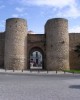
Culture and History tour in Ronda - Ronda & the oldest Maestranza Bullring - Private Tour
Ronda: Ronda is a charming typical old andalusian town. Resting high up on a plateau of 780m, watching the river Guadalevin crossing the gorge (Tajo)
Quick tours search
Tour Categories
- Any tour category in Italy
- Arts and Crafts tour in Italy
- Boating and Sailing tour in Italy
- Culture and History tour in Italy
- Excursion in Italy
- Gourmet & Cooking tour in Italy
- Private tour in Italy
- Railway trip in Italy
- Shopping tour in Italy
- Sightseeing Nature tour in Italy
- Trekking tour in Italy
- Walking tour in Italy
- Wine tasting tour in Italy
Private Guide in Greece
Angelo
Private Guide in Katerini
I can make your hiking, beach bar hopping and educational experience one of a kind! You will learn everything you ever wondered about this beautiful country. Read more