


 French
 Spanish
 Russian
: Tours and Excursion
Manhyia Palace, located in Kumasi, Ghana, is the official residence of the Asantehene (King of the Ashanti people). It serves as a symbol of the rich cultural heritage and history of the Ashanti Kingdom. The palace is a must-visit for those interested in African royalty and history. A private guide can provide deeper insights into the palace's significance and the traditions of the Ashanti people.
History & Origins
Manhyia Palace was built in 1925 by the British colonial government as a residence for the Asantehene. It was constructed after the original palace was destroyed during the Anglo-Ashanti wars. The palace has since been a center for Ashanti governance and culture.
The Ashanti Kingdom, one of the most powerful pre-colonial states in Africa, has a history dating back to the 17th century. The palace has witnessed many significant events, including the return of the Asantehene from exile in 1924.
Today, the palace is not only a residence but also a museum that showcases artifacts and exhibits related to the Ashanti Kingdom. Visitors can learn about the lineage of the Asantehene and the kingdom's history.
Architecture & Features
The palace is an example of colonial architecture blended with traditional Ashanti design. It features large courtyards, ornate wooden carvings, and symbolic motifs that reflect Ashanti culture.
The interior of the palace is adorned with royal regalia, including ceremonial swords, stools, and gold artifacts. These items hold deep cultural significance and are used in various traditional ceremonies.
Legends & Facts
One of the most famous legends associated with the Ashanti Kingdom is the story of the Golden Stool, which is believed to have descended from the heavens and symbolizes the soul of the Ashanti people.
The palace has hosted numerous important events, including the coronation of the Asantehene and the celebration of the Akwasidae festival, which is held every 42 days.
Visitors can also learn about the role of the Asantehene in modern Ghanaian politics and society.
Tourist Tips
Visitors are advised to dress modestly and respectfully when visiting the palace. Photography is allowed, but it is important to ask for permission before taking pictures of people or sacred objects.
A private guide can enhance your visit by providing detailed explanations of the palace's history and cultural significance. They can also help you navigate the museum and answer any questions you may have.
Nearby
- Kumasi Central Market: One of the largest markets in West Africa, offering a wide variety of goods and crafts.
- Ashanti Cultural Centre: A hub for Ashanti arts, crafts, and cultural performances.
- Lake Bosomtwe: A serene crater lake located about 30 kilometers from Kumasi.
- Okomfo Anokye Sword Site: A historical site where a sword is believed to have been planted by a famous Ashanti priest.
- Prempeh II Jubilee Museum: A museum dedicated to the history of the Ashanti Kingdom and its rulers.
Practical FAQ for Travelers
What is the best time to visit Manhyia Palace?
The best time to visit is during the Akwasidae festival, which occurs every 42 days. This is when the palace is most vibrant with cultural activities.
How long does a visit to the palace typically take?
A visit usually takes about 1-2 hours, depending on your level of interest and whether you have a private guide.
Is photography allowed inside the palace?
Yes, photography is allowed, but it is important to ask for permission before taking pictures of people or sacred objects.
Is the palace accessible for children?
Yes, the palace is family-friendly, and children can learn about the history and culture of the Ashanti Kingdom.
Why is a private guide recommended for visiting Manhyia Palace?
A private guide can provide deeper insights into the palace's history and cultural significance, making your visit more enriching and informative.
Manhyia Palace: Private tours and Excursions.
-

Culture and History tour in Kumasi - Slave route
Ghana is a great place to visit without any doubt. Its beauty and authenticity attracts thousands of tourists each year, and each of them wants to fee
Quick tours search
Tour Categories
- Any tour category
- Adventure tour
- Arts and Crafts tour
- Boating and Sailing tour
- Children's tour
- Culture and History tour
- Diving tour
- Eco and Wildlife tour
- Excursion
- Expedition
- Fishing tour
- Gourmet & Cooking tour
- Hiking tour
- Hunting tour
- Jeep tour
- Private tour
- Railway trip
- Safari
- Shopping tour
- Sightseeing Nature tour
- Trekking tour
- Walking tour
- Wine tasting tour
Private Guide in China

Harris
Private Guide in Shanghai
Looking for the best guide to take you through the beautiful city of Shanghai? Harris is just the man you need! Read more
Tour in India
Private tour in Jaipur
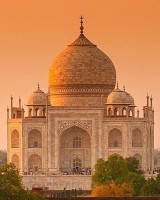
Morning visit the world famous beautiful Taj Mahal built by the Moghul Emperor Shahjehan in 1630 for his beloved Queen Mumtaz Mahal to enshrine her mortal remains. Taj Mahal was built in 20 years and over 20,000 worker had worked in constructing it. Read more