


 French
 Spanish
 Russian
: Tours and Excursion
History & Origins
The Grand Palace in Bangkok was established in 1782 by King Rama I, the founder of the Chakri Dynasty. It served as the official residence of the Kings of Siam (and later Thailand) until 1925. The palace complex was built to symbolize the new capital's grandeur and has been a center of political power and religious significance for centuries.
The construction of the Grand Palace began shortly after King Rama I moved the capital from Thonburi to Bangkok. The design was influenced by the ancient Ayutthaya palaces, incorporating traditional Thai architecture with elements from other Asian cultures. The palace grounds include the famous Wat Phra Kaew (Temple of the Emerald Buddha), which is considered the most sacred Buddhist temple in Thailand.
Over the years, the Grand Palace has undergone several renovations and expansions, each reflecting the artistic and architectural styles of the reigning monarchs. Today, it remains a symbol of Thai heritage and a must-visit for anyone interested in the country's rich history.
Architecture & Features
The Grand Palace complex covers an area of 218,400 square meters and is surrounded by four walls, each measuring 1,900 meters in length. The architecture is a blend of traditional Thai, Khmer, and European influences, with intricate details and vibrant colors dominating the design.
The most notable structure within the complex is Wat Phra Kaew, which houses the Emerald Buddha, a highly revered statue carved from a single block of jade. The temple's exterior is adorned with gold leaf, mosaics, and glass inlays, creating a dazzling effect under the sunlight. Other significant buildings include the Chakri Maha Prasat Hall, which combines Thai spires with European-style facades, and the Dusit Maha Prasat Hall, a prime example of traditional Thai architecture.
Legends & Facts
One of the most enduring legends associated with the Grand Palace is the story of the Emerald Buddha. According to tradition, the statue was discovered in Chiang Rai in 1434 after a lightning strike revealed it inside a stucco-covered chedi. The Buddha image has since been moved several times before finally being enshrined in Wat Phra Kaew.
Another interesting fact is that the Grand Palace was the site of the infamous 'Bowring Treaty' in 1855, which opened Siam to foreign trade and influence. The treaty was signed in the palace's Amarin Winitchai Hall, marking a significant turning point in Thai history.
The Grand Palace also played a crucial role during the 1932 Siamese Revolution, which transformed Thailand from an absolute monarchy to a constitutional monarchy. The palace grounds witnessed key events during this period, including the drafting of the country's first constitution.
Tourist Tips
Visitors should allocate at least 2-3 hours to explore the Grand Palace complex thoroughly. Start at Wat Phra Kaew to avoid the crowds, then proceed to the Chakri Maha Prasat Hall and other significant buildings. Dress modestly, as the site is a religious and cultural landmark.
Nearby
- Wat Pho - Home to the famous Reclining Buddha statue.
- Wat Arun - A stunning riverside temple known for its towering spires.
- Khao San Road - A bustling street famous for its nightlife and backpacker culture.
- National Museum Bangkok - Offers extensive exhibits on Thai history and art.
- Chinatown - A vibrant area known for its markets and street food.
Practical FAQ for Travelers
What are the opening hours?
The Grand Palace is open daily from 8:30 AM to 3:30 PM, except during royal ceremonies.
What is the best time to visit?
Early morning (8:30 AM - 10:00 AM) is ideal to avoid the heat and crowds.
How much time should I allocate for the visit?
Plan for at least 2-3 hours to explore the complex thoroughly.
Is photography allowed?
Yes, but avoid taking photos inside Wat Phra Kaew and other sacred areas.
Are there any dress code requirements?
Visitors must wear clothing that covers their shoulders and knees. Sarongs are available for rent at the entrance.
Is the site accessible for people with disabilities?
Partial accessibility; some areas have steps and uneven surfaces.
Grand Palace: Private tours and Excursions.
-
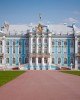
Excursion in St. Petersburg - St Petersburg highlights for air and rail visitors 2 day programme
Hello! This is APPROXIMATE programme for 2 day tour of St. Petersburg. I am very flexible! Something can be changed, something can be ommited on your
Quick tours search
Tour Categories
- Any tour category
- Adventure tour
- Arts and Crafts tour
- Boating and Sailing tour
- Children's tour
- Culture and History tour
- Diving tour
- Eco and Wildlife tour
- Excursion
- Expedition
- Fishing tour
- Gourmet & Cooking tour
- Hiking tour
- Hunting tour
- Jeep tour
- Private tour
- Railway trip
- Safari
- Shopping tour
- Sightseeing Nature tour
- Trekking tour
- Walking tour
- Wine tasting tour
Private Guide in Belgium

Mike
Private Guide in Brussels
40 years of tourism and hotel business experience. Private guide Mike is devoted to providing his guests with a memorable experience that exceeds all their expectations. Read more
Tour in New Zealand

Private tour in Auckland
Looking forward to have some great time on the beach? Want to discover the fruitful wine industry of the Auckland area? Well, with this private tour in Auckland you will enjoy both these great activities during a single day! Read more