


 French
 Spanish
 Russian
Brazil : Tours and Excursion
Iguazu Falls
The Iguazu Falls are a spectacular series of waterfalls on the Iguazu River, straddling the border between Brazil and Argentina. They are one of the most visited natural attractions in South America, renowned for their breathtaking beauty and immense power. The falls consist of 275 individual drops, with the tallest being Devil's Throat at 82 meters high.
History & Origins
The falls were first discovered by European explorers in the 16th century, but indigenous Guarani tribes had known them for centuries. The name 'Iguazu' comes from the Guarani words 'y' (water) and 'guasu' (big). The falls were declared a UNESCO World Heritage Site in 1984.
Architecture & Features
The falls are surrounded by lush subtropical rainforest, home to diverse wildlife. The viewing platforms and walkways allow visitors to experience the falls up close. The most iconic viewpoint is from the Brazilian side, offering a panoramic view of the entire cascade.
Legends & Facts
According to local legend, the falls were created when a deity planned to marry a beautiful woman named Naipi, who fled with her mortal lover Taroba in a canoe. In rage, the deity sliced the river, creating the waterfalls and condemning the lovers to an eternal fall.
Tourist Tips
Visit early in the morning to avoid crowds. Wear waterproof clothing as the mist from the falls can be intense. The Brazilian side offers the best panoramic views, while the Argentine side provides closer access to individual falls.
Nearby
- Itaipu Dam: One of the largest hydroelectric dams in the world.
- Bird Park: A sanctuary for exotic birds near the falls.
- Three Borders Landmark: A monument marking the meeting point of Brazil, Argentina, and Paraguay.
- Iguazu National Park: A protected area with diverse flora and fauna.
- Puerto Iguazu: A charming town on the Argentine side of the falls.
Practical FAQ for Travelers
What is the best time to visit Iguazu Falls?
The best time is during the dry season (April to September) when the water flow is manageable and the weather is pleasant.
How much time should I allocate for a visit?
A full day is recommended to explore both the Brazilian and Argentine sides.
Are there any dress code requirements?
Comfortable walking shoes and waterproof clothing are advisable due to the mist and walking involved.
Is the site accessible for children and elderly visitors?
Yes, there are accessible pathways and viewpoints suitable for all ages.
Can I bring pets?
Pets are not allowed in the national park areas.
Iguazu Falls: Private tours and Excursions.
-

Eco and Wildlife tour in Foz do Iguasu - Bird Park Sanctuary
General Information The Bird Park is a private enterprise, situated in one of the most attractive parts of the world: near the Iguazu Falls. Rar -
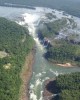
Excursion in Foz do Iguasu - Helicopter Ride
The panoramic flights are great options for you to know the gorgeous Iguazu Falls in a very fast way. Helisul Taxi since 1972 in Foz do Iguazu, i -

Excursion in Foz do Iguasu - Itaipu Dam
Itaipu Dam is a concrete structure built to contain the flow of the Parana River and create the power plant's reservoir. It is the point where electri -

Gourmet & Cooking tour in Foz do Iguasu - Rafain Latin American Show House
Rafain Latin American Show House in Iguazu Falls has got a tradition of more than 50 fifty years, which is why it is known as one of the best barbecue -

Fishing tour in Foz do Iguasu - Sport Fishing
Iguazu Falls and the surrounding region is an area rich in natural splendor and vibrant wildlife. I have chosen 3 ideal fishing locations for you to c
Iguazu Falls: Tour Guides
-

Tour Guide in Foz do Iguasu - Edir
Edir is a Professional Tour guide officially licensed by the Ministry of Tourism (attached the certificate on my profile). Very helpful and friendly, espec
Quick tours search
Tour Categories
- Any tour category in Brazil
- Adventure tour in Brazil
- Arts and Crafts tour in Brazil
- Boating and Sailing tour in Brazil
- Culture and History tour in Brazil
- Eco and Wildlife tour in Brazil
- Excursion in Brazil
- Fishing tour in Brazil
- Gourmet & Cooking tour in Brazil
- Private tour in Brazil
- Shopping tour in Brazil
- Sightseeing Nature tour in Brazil
- Walking tour in Brazil
Private Guide in Argentina

Angeles
Private Guide in Buenos Aires
My tours are full of interesting information, including historic facts, relevant political data, and all those funny anecdotes that make tours memorable. Read more
Tour in Argentina

Culture and History tour in Buenos Aires
This is an extended version of the Buenos Aires' Highlights Tour! Read more