


 French
 Spanish
 Russian
Brazil : Tours and Excursion
The Itaipu Dam, located on the Paranб River between Brazil and Paraguay, is one of the largest hydroelectric power plants in the world. Known as 'Itaipu Binacional,' it is a joint project between the two countries. The dam's name, 'Itaipu,' comes from the Guarani language, meaning 'the sounding stone.' Itaipu Dam is a marvel of modern engineering and a significant source of renewable energy.
History & Origins
The construction of Itaipu Dam began in 1971 and was completed in 1984. The project was a collaboration between Brazil and Paraguay to harness the power of the Paranб River. The dam was officially inaugurated on May 5, 1984, and has since become a symbol of bilateral cooperation.
The idea for the dam was conceived in the 1960s when both countries recognized the need for a sustainable energy source. The project faced numerous challenges, including environmental concerns and the displacement of local communities. Despite these hurdles, the dam was successfully built and has been operational for decades.
The dam's construction involved the relocation of over 10,000 families and the flooding of a vast area. The project also required the construction of a new city, Foz do Iguaзu, to house the workers and their families. Today, the dam is a testament to human ingenuity and the power of international collaboration.
Architecture & Features
The Itaipu Dam is an arch-gravity dam, combining the principles of both arch and gravity dams. It is made of concrete and spans 7,919 meters in length. The dam's height is 196 meters, and it has a reservoir area of 1,350 square kilometers.
The dam's powerhouse contains 20 generating units, each with a capacity of 700 megawatts. The total installed capacity of the dam is 14,000 megawatts, making it one of the most powerful hydroelectric plants in the world. The dam's reservoir is also used for irrigation, navigation, and tourism.
Legends & Facts
One of the most interesting facts about Itaipu Dam is that it produces more electricity than any other hydroelectric plant in the world. In 2016, it set a world record by generating 103.1 million megawatt-hours of electricity.
Another fascinating fact is that the dam's construction required the excavation of 50 million cubic meters of earth and rock. This is equivalent to digging a tunnel from New York to San Francisco.
The dam is also a popular tourist attraction, offering guided tours that provide insights into its history, construction, and operation. Visitors can explore the dam's interior, visit the observation deck, and learn about the environmental impact of the project.
Tourist Tips
When visiting Itaipu Dam, it is recommended to take a guided tour to fully appreciate the scale and significance of the project. The tours are available in multiple languages and include a visit to the dam's powerhouse, observation deck, and visitor center.
It is also advisable to wear comfortable shoes and bring a camera to capture the stunning views of the dam and its surroundings. The best time to visit is during the dry season, from April to September, when the weather is more predictable.
Nearby
- Iguaзu Falls: One of the most spectacular waterfalls in the world, located just a short drive from the dam.
- Parque das Aves: A bird park featuring a wide variety of exotic birds and other wildlife.
- Itaipu Ecological Sanctuary: A nature reserve offering hiking trails and opportunities to observe local flora and fauna.
- Foz do Iguaзu City Center: A bustling area with shops, restaurants, and cultural attractions.
- Triple Frontier: The meeting point of Brazil, Paraguay, and Argentina, offering panoramic views of the three countries.
Practical FAQ for Travelers
How can I purchase tickets for the Itaipu Dam tour?
Tickets can be purchased online or at the visitor center. It is recommended to book in advance, especially during peak tourist season.
What is the best time to visit Itaipu Dam?
The best time to visit is during the dry season, from April to September, when the weather is more predictable.
How long does the tour take?
The standard tour takes approximately 2 hours, but there are also extended tours available that last up to 4 hours.
Are there any restrictions for photography?
Photography is allowed in most areas, but there are some restricted zones where photography is prohibited for security reasons.
Is the tour suitable for children?
Yes, the tour is suitable for children, but it is recommended to keep an eye on them, especially in areas with heavy machinery.
Why is a private guide superior here?
A private guide can provide personalized insights and answer specific questions, making the tour more informative and enjoyable.
Itaipu Dam: Private tours and Excursions.
-
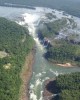
Excursion in Foz do Iguasu - Helicopter Ride
The panoramic flights are great options for you to know the gorgeous Iguazu Falls in a very fast way. Helisul Taxi since 1972 in Foz do Iguazu, i -
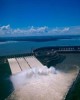
Excursion in Foz do Iguasu - Itaipu Dam
Itaipu Dam is a concrete structure built to contain the flow of the Parana River and create the power plant's reservoir. It is the point where electri -

Fishing tour in Foz do Iguasu - Sport Fishing
Iguazu Falls and the surrounding region is an area rich in natural splendor and vibrant wildlife. I have chosen 3 ideal fishing locations for you to c
Quick tours search
Tour Categories
- Any tour category in Brazil
- Adventure tour in Brazil
- Arts and Crafts tour in Brazil
- Boating and Sailing tour in Brazil
- Culture and History tour in Brazil
- Eco and Wildlife tour in Brazil
- Excursion in Brazil
- Fishing tour in Brazil
- Gourmet & Cooking tour in Brazil
- Private tour in Brazil
- Shopping tour in Brazil
- Sightseeing Nature tour in Brazil
- Walking tour in Brazil
Private Guide in Argentina

Angeles
Private Guide in Buenos Aires
My tours are full of interesting information, including historic facts, relevant political data, and all those funny anecdotes that make tours memorable. Read more
Tour in Argentina
Culture and History tour in Buenos Aires
This is an extended version of the Buenos Aires' Highlights Tour! Read more