


 French
 Spanish
 Russian
: Tours and Excursion
Jetavana Monastery
Jetavana Monastery was one of the most famous Buddhist monasteries in ancient India, located in Shravasti, Uttar Pradesh. It was donated to the Buddha by the wealthy merchant Anathapindika and became a major center for Buddhist teachings. The monastery is known for its association with the Buddha, who spent 19 rainy seasons here.
History & Origins
Jetavana Monastery was established during the lifetime of the Buddha, around the 5th century BCE. The monastery was built on land purchased by Anathapindika, who covered the ground with gold coins to secure the property. The monastery became a key site for the Buddha's teachings and housed thousands of monks.
The monastery was a major center of Buddhist learning and practice for centuries. It was visited by pilgrims from all over India and beyond, including the Chinese traveler Xuanzang in the 7th century CE. Xuanzang's accounts provide valuable information about the monastery's layout and significance.
Jetavana Monastery declined after the 12th century, as Buddhism waned in India. The site was rediscovered in the 19th century by British archaeologists, who excavated the ruins and identified the monastery's key features.
Architecture & Features
The monastery complex included residential quarters for monks, meditation halls, and stupas. The main hall, known as the Gandhakuti, was the Buddha's residence. The monastery was surrounded by a wall and had a large garden with trees and ponds.
The ruins of Jetavana Monastery include the foundations of buildings, stupas, and votive structures. The site also features a large stupa believed to mark the spot where the Buddha delivered many of his sermons.
Legends & Facts
According to Buddhist texts, Jetavana Monastery was the site of many miracles performed by the Buddha, including the Twin Miracle, where he emitted flames and water from his body.
The monastery was also the setting for many of the Buddha's discourses, including the Jetavana Sutta, which discusses the nature of enlightenment.
Anathapindika's donation of Jetavana Monastery is considered one of the most generous acts in Buddhist history, symbolizing the virtue of giving.
Tourist Tips
Visitors should explore the ruins of the monastery and the nearby Anathapindika's Stupa. The best time to visit is during the cooler months, from October to March. The site is peaceful and conducive to meditation and reflection.
Nearby
- Anathapindika's Stupa: A stupa dedicated to the merchant who donated Jetavana Monastery.
- Shravasti Archaeological Museum: A museum showcasing artifacts from the ancient city.
- Saheth-Maheth: The ruins of ancient Shravasti, including other Buddhist stupas and monasteries.
- Pakki Kuti: A ruined stupa associated with the Buddha's disciples.
- Kachchi Kuti: Another ancient stupa in Shravasti.
Practical FAQ for Travelers
What are the opening hours of Jetavana Monastery?
The site is open daily from sunrise to sunset.
Is there an entrance fee?
Yes, there is a small entrance fee of 100 INR for foreigners.
What is the best time to visit?
The cooler months from October to March are ideal.
Are there any dress code requirements?
Visitors should dress modestly, covering shoulders and knees.
Is photography allowed at the site?
Yes, photography is allowed for personal use.
Are there facilities for children and disabled visitors?
The site is accessible, but some areas may be uneven and challenging for wheelchairs.
Jetavana Monastery: Articles
-
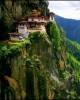
10 most beautiful temples to explore
The eternal adage that states beauty comes in all shapes in sizes follows itself around the world to the most beautiful temples. From architecture to natural re
Quick tours search
Tour Categories
- Any tour category
- Adventure tour
- Arts and Crafts tour
- Boating and Sailing tour
- Children's tour
- Culture and History tour
- Diving tour
- Eco and Wildlife tour
- Excursion
- Expedition
- Fishing tour
- Gourmet & Cooking tour
- Hiking tour
- Hunting tour
- Jeep tour
- Private tour
- Railway trip
- Safari
- Shopping tour
- Sightseeing Nature tour
- Trekking tour
- Walking tour
- Wine tasting tour
Private Guide in Morocco

Mustapha
Private Guide in Marrakech
My name is Mustapha. I am your guide and will support you during the tour. I promise you are going to enjoy your stay here in Morocco. This is a beautiful, quiet country where ... Read more
Tour in Argentina
Culture and History tour in Buenos Aires
This is an extended version of the Buenos Aires' Highlights Tour! Read more