


 French
 Spanish
 Russian
: Tours and Excursion
Mount Kilimanjaro Summit
The summit of Mount Kilimanjaro is the highest point in Africa, standing at 5,895 meters (19,341 feet) above sea level. This dormant volcanic mountain consists of three volcanic cones: Kibo, Mawenzi, and Shira. The summit, known as Uhuru Peak, is located on Kibo's crater rim and is a major destination for trekkers and mountaineers.
History & Origins
Mount Kilimanjaro was formed over a million years ago through volcanic activity. The first recorded summit was achieved in 1889 by German geographer Hans Meyer and Austrian mountaineer Ludwig Purtscheller. The mountain's name is believed to derive from the Swahili words 'Kilima' (mountain) and 'Njaro' (whiteness or shining).
Architecture & Features
The summit features a glacier-covered crater and a sign marking Uhuru Peak. The terrain is rocky and icy, with extreme weather conditions. The ascent requires passing through multiple ecological zones, from rainforest to alpine desert.
Legends & Facts
Local Chagga legends speak of evil spirits inhabiting the mountain. The glaciers on Kilimanjaro have shrunk by over 80% since the early 20th century due to climate change.
Practical FAQ for Travelers
What is the best time to climb?
The best months are January-March and June-October for stable weather.
How long does the climb take?
Most routes take 5-9 days for proper acclimatization.
Is special equipment needed?
Yes, crampons and ice axes may be required near the summit.
Are there age restrictions?
No legal restrictions, but climbers should be in excellent physical condition.
What are the risks?
Altitude sickness is the primary concern; proper acclimatization is crucial.
Mount Kilimanjaro Summit: Articles
-
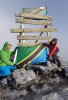
Reasons why Machame is favorite Kilimanjaro route
Kilimanjaro Tanzanite Safaris Company, explains reasons why the Machame route is a favorite trail to climb Mount Kilimanjaro. Machame is a stunning trail that o
Quick tours search
Tour Categories
- Any tour category
- Adventure tour
- Arts and Crafts tour
- Boating and Sailing tour
- Children's tour
- Culture and History tour
- Diving tour
- Eco and Wildlife tour
- Excursion
- Expedition
- Fishing tour
- Gourmet & Cooking tour
- Hiking tour
- Hunting tour
- Jeep tour
- Private tour
- Railway trip
- Safari
- Shopping tour
- Sightseeing Nature tour
- Trekking tour
- Walking tour
- Wine tasting tour
Private Guide in Argentina

Angeles
Private Guide in Buenos Aires
My tours are full of interesting information, including historic facts, relevant political data, and all those funny anecdotes that make tours memorable. Read more
Tour in Argentina
Culture and History tour in Buenos Aires
This is an extended version of the Buenos Aires' Highlights Tour! Read more