


 French
 Spanish
 Russian
Spain : Tours and Excursion
History & Origins
The cathedral was built on the site of a former Moorish mosque after the Christian conquest of Mallorca. King James I ordered its construction as a symbol of Christian dominance.
Work on the cathedral continued for over 300 years, with contributions from multiple architects and craftsmen. The main structure was completed in 1601, but additional modifications were made in later centuries.
In the early 20th century, architect Antoni Gaudн was commissioned to restore parts of the cathedral, adding modernist elements to the Gothic design.
Architecture & Features
The cathedral's Gothic architecture features pointed arches, ribbed vaults, and flying buttresses. The interior is illuminated by over 60 stained-glass windows, creating a kaleidoscope of light.
The main altar is adorned with a canopy designed by Gaudн, blending Gothic and Art Nouveau styles. The cathedral also houses a museum with religious artifacts and artworks.
Legends & Facts
Local legend says that the cathedral's rose window was designed to align with the sun during the winter solstice, creating a spectacular light show inside.
The cathedral's bell, known as 'N'Eloi,' is one of the largest in the world and weighs over 4,500 kg.
During the Spanish Civil War, the cathedral was spared from destruction due to its cultural importance.
Tourist Tips
Visit early in the morning to avoid crowds and experience the light effects from the rose window. Dress modestly as it is a place of worship.
Nearby attractions include the Almudaina Palace and the historic center of Palma.
Practical FAQ for Travelers
What are the opening hours?
The cathedral is open from 10:00 AM to 5:15 PM on weekdays and from 10:00 AM to 2:15 PM on Saturdays.
Is there an entrance fee?
Admission is 9 Euro for adults, with discounts for students and seniors.
What is the best time to visit?
Early morning or late afternoon for the best light effects.
Are photography and videography allowed?
Yes, but flash photography is prohibited.
Is the site accessible for wheelchair users?
Yes, the cathedral has wheelchair access.
La Seu: Private tours and Excursions.
-
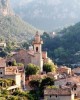
Culture and History tour in Palma de Majorca - Tour of Valldemossa and F.Chopin
This private tour in Spain is focused on the highlights of Palma de Majorca, and the most interesting places of Valldemossa. As your private guide in
La Seu: Articles
-
Balearic Islands: 5 Popular Attractions
The Mediterranean Sea Archipelago, known as Balearic Islands, offers not only ones of the best beaches in the world, but also plenty of interesting landmarks. M
Quick tours search
Tour Categories
Private Guide in Belgium
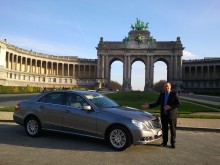
Mike
Private Guide in Brussels
40 years of tourism and hotel business experience. Private guide Mike is devoted to providing his guests with a memorable experience that exceeds all their expectations. Read more