


 French
 Spanish
 Russian
: Tours and Excursion
Mahagandayon monastery
The Mahagandayon monastery is one of the largest and most significant Buddhist monasteries in Myanmar, located near Mandalay. Established in the early 20th century, it is home to over a thousand monks who follow the Theravada Buddhist tradition. The monastery is renowned for its strict adherence to monastic rules and its role in educating young monks.
History & Origins
The Mahagandayon monastery was founded in 1914 by the Venerable U Janaka, a prominent Buddhist monk. It was established to provide a place for monks to study and practice Buddhism in a disciplined environment. Over the years, it has grown into a major center for Buddhist learning, attracting monks from across Myanmar and other Theravada Buddhist countries.
Architecture & Features
The monastery complex includes several buildings, including the main prayer hall, dormitories for monks, and classrooms. The architecture is traditional Burmese, with intricate wood carvings and gold leaf decorations. The main prayer hall is particularly impressive, with a large Buddha statue and beautiful murals depicting scenes from the Buddha's life.
Legends & Facts
One of the unique aspects of Mahagandayon monastery is its daily alms-giving ceremony, where hundreds of monks line up to receive food offerings from lay devotees. This ceremony is a deeply spiritual experience for both the monks and the devotees, symbolizing the interdependence between the monastic community and the lay community.
Tourist Tips
Visitors are welcome to observe the daily activities of the monks, including the alms-giving ceremony, meditation sessions, and classes. It is important to dress modestly and behave respectfully while visiting the monastery. Photography is allowed, but it is advisable to ask for permission before taking pictures of the monks.
Nearby
- Amarapura: A historic city known for its ancient temples and the U Bein Bridge.
- Mandalay Hill: A prominent hill offering panoramic views of Mandalay and its surroundings.
- Mingun Pahtodawgyi: An unfinished stupa that would have been the largest in the world if completed.
- Shwenandaw Monastery: A beautiful wooden monastery known for its intricate carvings.
- Kuthodaw Pagoda: Home to the world's largest book, consisting of stone inscriptions of Buddhist scriptures.
Practical FAQ for Travelers
What is the best time to visit Mahagandayon monastery?
The best time to visit is early in the morning to witness the alms-giving ceremony.
Are there any entrance fees?
No, there is no entrance fee to visit the monastery.
How long should I plan to spend at the monastery?
Plan to spend at least 1-2 hours to fully experience the monastery.
Is photography allowed?
Yes, photography is allowed, but be respectful and ask for permission before taking pictures of the monks.
Is the monastery accessible for children?
Yes, children are welcome, but they should be supervised and taught to behave respectfully.
Mahagandayon monastery: Private tours and Excursions.
-
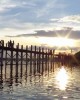
Culture and History tour in Sagaing - 3 cities around Mandalay
This 3 cities are not far from mandalay but they are out of mandalay and older than mandalay. Amarapura is only 3 minutes drive from mandalay. Ava is
Quick tours search
Tour Categories
- Any tour category
- Adventure tour
- Arts and Crafts tour
- Boating and Sailing tour
- Children's tour
- Culture and History tour
- Diving tour
- Eco and Wildlife tour
- Excursion
- Expedition
- Fishing tour
- Gourmet & Cooking tour
- Hiking tour
- Hunting tour
- Jeep tour
- Private tour
- Railway trip
- Safari
- Shopping tour
- Sightseeing Nature tour
- Trekking tour
- Walking tour
- Wine tasting tour
Private Guide in Greece
Angelo
Private Guide in Katerini
I can make your hiking, beach bar hopping and educational experience one of a kind! You will learn everything you ever wondered about this beautiful country. Read more
Tour in Kenya
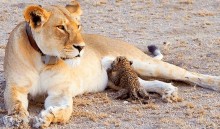
7-Day Explore Wildlife Samburu Great Rift Valley Lakes
Safari in Nairobi
Samburu National Reserve is situated about 350 kms north of Nairobi in the semi arid part of Kenya. Ewaso Nyiro River, bisects the reserve and the river is home to some of the biggest Reptiles in the region and attracts a good number of birds.
Read more