


 French
 Spanish
 Russian
Greece : Tours and Excursion
Attention!!! There are tours with discounts.
Meteora
Meteora is a rock formation in central Greece hosting one of the largest and most precipitously built complexes of Eastern Orthodox monasteries, second in importance only to Mount Athos. The six monasteries are built on immense natural pillars and hill-like rounded boulders that dominate the local area. It is included on the UNESCO World Heritage List.
History & Origins
The first hermit monks arrived in Meteora in the 9th century, seeking solitude and spiritual retreat. By the 14th century, the monastic community had grown significantly, and the first monasteries were established. The monasteries were built during a time of political instability, providing a safe haven for monks fleeing the Ottoman Empire's expansion.
The construction of the monasteries was a remarkable feat of engineering, as materials and monks had to be hoisted up the cliffs using ropes, ladders, and baskets. The monasteries flourished during the 16th century, but many were abandoned or fell into disrepair in the following centuries.
Today, only six monasteries remain active, preserving the spiritual and cultural heritage of the region.
Architecture & Features
The monasteries of Meteora are architectural marvels, perched atop towering rock pillars. They feature Byzantine-style architecture, with domed roofs, frescoed interiors, and intricate wood carvings. The monasteries were designed to be self-sufficient, with gardens, cisterns, and storage areas within their walls.
The Great Meteoron Monastery, the largest and oldest of the six, houses a museum with religious artifacts, manuscripts, and icons. The Varlaam Monastery is known for its impressive frescoes and a 16th-century wooden iconostasis.
Legends & Facts
One legend tells of the monk Athanasios, who was carried to the top of the rock pillar by an eagle, where he founded the Great Meteoron Monastery. Another story claims that the monks used to climb the cliffs using only ropes and ladders, which they would remove in times of danger to prevent invaders from reaching them.
Meteora has been a filming location for several movies, including the James Bond film 'For Your Eyes Only' and the historical drama 'The Great Meteoron.'
Tourist Tips
Visitors should wear comfortable shoes and clothing suitable for walking and climbing stairs. The monasteries have strict dress codes, requiring modest attire and covered shoulders and knees. Photography is allowed in most areas, but flash photography is prohibited inside the churches.
The best time to visit Meteora is during the spring or autumn when the weather is mild, and the crowds are smaller. Early morning visits offer the best lighting for photography and a more peaceful experience.
Nearby
- Kalabaka: A charming town at the foot of Meteora, known for its traditional Greek architecture and local cuisine.
- Trikala: A historic city with ancient ruins, Byzantine churches, and a vibrant market.
- Mount Olympus: The highest mountain in Greece, famous for its mythological significance and hiking trails.
- Delphi: An ancient archaeological site and UNESCO World Heritage Site, known as the center of the world in Greek mythology.
- Thessaloniki: Greece's second-largest city, renowned for its Byzantine monuments, museums, and vibrant nightlife.
Practical FAQ for Travelers
What are the opening hours of the monasteries?
The monasteries are generally open from 9:00 AM to 5:00 PM, but each monastery has its own schedule, and some may close for lunch or on certain days.
Is there an entrance fee?
Yes, there is a small entrance fee for each monastery, typically around 3 Euros.
What is the best time to visit?
The best time to visit is during the spring or autumn when the weather is mild, and the crowds are smaller.
Are the monasteries accessible for people with disabilities?
Accessibility is limited due to the steep stairs and rocky terrain. Some monasteries may have partial access.
Can I take photos inside the monasteries?
Photography is allowed in most areas, but flash photography is prohibited inside the churches.
Is there a dress code?
Yes, modest attire is required, with covered shoulders and knees.
Meteora: Private tours and Excursions. Hurry up and book a tour with a discount.
-
Special Offer!
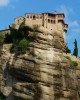
Private tour in Athens - Delphi luxury Tour-Full Day.!! Including Meal,Snacks,Mercedes Transportation
**This Tour Starts from Athens** **The final prices are per group 1-4 not per person** Visit the center of the ancient universe, beautiful Monaste -
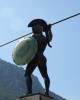
Private tour in Athens - Full Day Tour to Meteora and Thermopylae
**This tour Starts from Athens** **The prices are Per group of 1-4 not per person** Thermopylae, Meteora and much more with a professional driver -
Special Offer!
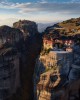
Private tour in Athens - Full Day Tour to Meteora and Vergina(Ancient Macedonia)
**That tour start from Athens** **Final prices are per Group not per person* Shore excursion / Day trip / Full Day to Meteora and the museum of ro
Quick tours search
Tour Categories
Private Guide in Greece
Angelo
Private Guide in Katerini
I can make your hiking, beach bar hopping and educational experience one of a kind! You will learn everything you ever wondered about this beautiful country. Read more