


 French
 Spanish
 Russian
: Tours and Excursion
Attention!!! There are tours with discounts.
Ngorongoro crater
The Ngorongoro crater is a massive volcanic caldera in Tanzania, often referred to as 'Africa's Garden of Eden' due to its stunning biodiversity. The crater is part of the Ngorongoro Conservation Area, a UNESCO World Heritage Site, and is home to a dense population of wildlife, including the Big Five.
History & Origins
The Ngorongoro crater was formed about 2-3 million years ago when a large volcano collapsed inward after a massive eruption. The crater floor, which covers about 260 square kilometers, is now a self-contained ecosystem with a variety of habitats, including grasslands, forests, and a soda lake.
The area has been inhabited by the Maasai people for centuries, who coexist with the wildlife in a unique balance. The Ngorongoro Conservation Area was established in 1959 to protect both the wildlife and the cultural heritage of the Maasai.
Architecture & Features
The crater walls rise up to 600 meters above the floor, creating a natural enclosure for the wildlife. The floor is dotted with freshwater springs, swamps, and the shallow Lake Magadi, which attracts flamingos and other waterbirds.
The crater's diverse habitats support a wide range of species, including lions, elephants, rhinos, leopards, and buffalo. The Lerai Forest, a dense stand of yellow fever trees, provides shelter for elephants and other large mammals.
Legends & Facts
The Maasai believe that the crater is a sacred place, and they perform rituals here to honor their ancestors. The name 'Ngorongoro' is said to derive from the sound of the cowbells used by Maasai herders.
The crater is one of the few places in Africa where black rhinos can still be seen in the wild. The population is closely monitored and protected by conservationists.
Fossils found in the Olduvai Gorge, located near the crater, provide evidence of early human habitation in the area, dating back millions of years.
Tourist Tips
Game drives in the crater are best done early in the morning or late in the afternoon when animals are most active. The crater floor can be explored in a 4x4 vehicle, and guided tours are available from nearby lodges.
Stay at one of the lodges on the crater rim for breathtaking views and easy access to the park. The lodges offer a range of accommodations, from luxury to budget options.
Nearby
- Olduvai Gorge: Known as the 'Cradle of Mankind,' this archaeological site has yielded some of the earliest evidence of human ancestors.
- Lake Manyara National Park: A scenic park known for its tree-climbing lions and abundant birdlife.
- Serengeti National Park: Famous for the annual wildebeest migration, one of nature's greatest spectacles.
- Empakaai Crater: A smaller, less-visited crater with a stunning alkaline lake and hiking opportunities.
- Tarangire National Park: Known for its large elephant herds and ancient baobab trees.
Practical FAQ for Travelers
What is the best time to visit Ngorongoro crater?
The dry season (June to October) is the best time for wildlife viewing, as animals gather around water sources.
Are there entrance fees for the crater?
Yes, there are significant park fees, which include vehicle and guide fees. These fees contribute to conservation efforts.
How long does a game drive in the crater typically last?
A full-day game drive is recommended to fully explore the crater, but half-day drives are also possible.
Can I self-drive in the crater?
No, self-driving is not allowed. Visitors must be accompanied by a licensed guide.
Are there accommodations inside the crater?
No, all lodges are located on the crater rim, offering stunning views of the caldera.
What should I bring for a game drive?
Bring binoculars, a camera, sunscreen, and warm clothing for early mornings and evenings.
Ngorongoro crater: Private tours and Excursions. Hurry up and book a tour with a discount.
-
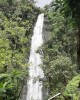
Excursion in Moshi - Kilimanjaro waterfall, culture and coffee trips in Moshi Tanzania
You can book a waterfall trip at the foothills of Mount Kilimanjaro without climbing to the summit. Waterfall tour excursion is one of the cheap Kilim -
Special Offer!

Eco and Wildlife tour in Moshi - Tanzania wildlife safaris, walking safaris, trekking
Booking private guides escort walking safaris in Tanzania. Walking safari can be done as additional adventure activity during Tanzania safari. Armed r -

Sightseeing Nature tour in Moshi - Wildlife safaris, trekking and walking safaris
Our private guided wildlife safaris, trekking and walking safaris include Great Rift Valley tours. We offer private guided Ngorongoro Empakai crater h
Quick tours search
Tour Categories
- Any tour category
- Adventure tour
- Arts and Crafts tour
- Boating and Sailing tour
- Children's tour
- Culture and History tour
- Diving tour
- Eco and Wildlife tour
- Excursion
- Expedition
- Fishing tour
- Gourmet & Cooking tour
- Hiking tour
- Hunting tour
- Jeep tour
- Private tour
- Railway trip
- Safari
- Shopping tour
- Sightseeing Nature tour
- Trekking tour
- Walking tour
- Wine tasting tour
Private Guide in Belgium

Mike
Private Guide in Brussels
40 years of tourism and hotel business experience. Private guide Mike is devoted to providing his guests with a memorable experience that exceeds all their expectations. Read more
Tour in United States

Private tour in New York
We will stop on our tour for pizza and at Roccos famous Italian bakery. See the brownstones, and sights where tv shows like Friends and Sex and The City were filmed. From Greenwich Village we head to the east village to visit Washington Square Park, New York University, and then make our way to Soho. Read more