


 French
 Spanish
 Russian
: Tours and Excursion
Attention!!! There are tours with discounts.
Philae
Philae is an island in the Nile River, located near Aswan in southern Egypt. It is renowned for its ancient temples and archaeological sites, which were relocated to the island of Agilkia in the 1970s to save them from flooding caused by the construction of the Aswan High Dam. The island is most famous for the Temple of Isis, which dates back to the Ptolemaic period.
History & Origins
The island of Philae was a significant religious center in ancient Egypt, dedicated primarily to the goddess Isis. The Temple of Isis was constructed during the reign of Ptolemy II Philadelphus in the 3rd century BCE and was expanded by subsequent rulers. The island was also a site of pilgrimage for worshippers of Isis from across the ancient world.
Architecture & Features
The Temple of Isis is the main attraction on Philae, featuring a grand entrance pylon, a hypostyle hall, and a sanctuary. The temple's walls are adorned with intricate carvings and hieroglyphs depicting scenes from Egyptian mythology. Other notable structures on the island include the Kiosk of Trajan and the Temple of Hathor.
Legends & Facts
One of the most famous legends associated with Philae is the story of Isis and Osiris. According to myth, Isis used her magical powers to resurrect her husband Osiris on the island. The temple was also believed to be a place where the goddess could heal the sick and grant wishes.
Tourist Tips
Visitors can reach Philae by boat from Aswan. The best time to visit is early morning or late afternoon to avoid the heat and crowds. Guided tours are available, but visitors can also explore the island independently.
Nearby
- Aswan High Dam: A modern engineering marvel that controls the flow of the Nile.
- Unfinished Obelisk: A massive ancient obelisk still attached to the bedrock.
- Elephantine Island: An island with ancient ruins and a museum.
- Nubian Museum: A museum dedicated to the history and culture of Nubia.
- Tombs of the Nobles: Ancient tombs carved into the cliffs overlooking the Nile.
Practical FAQ for Travelers
What are the opening hours?
The site is open daily from 7:00 AM to 5:00 PM.
Is there an entrance fee?
Yes, there is an entrance fee of approximately 100 Egyptian pounds.
What is the best time to visit?
Early morning or late afternoon is ideal to avoid the heat and crowds.
Are there any dress code requirements?
Visitors should dress modestly, covering shoulders and knees.
Is photography allowed?
Yes, photography is allowed, but flash photography may be restricted in certain areas.
Philae: Private tours and Excursions. Hurry up and book a tour with a discount.
-
Special Offer!
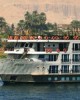
Culture and History tour in Cairo - 5 Stars deluxe Nile Cruise in Aswan&Luxor 3 nights 4 day offer(Private Tour)
Enjoy a luxury tour on the Nile with this exciting private tour. You’ll be taken to the most picturesque places along the flow of the great rive -
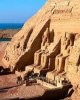
Excursion in Cairo - Felucca Sailing Tour; from Aswan to Loxor Spend 2 Nights in the Nile (Great Hot Offers)
Some of the most romantic private tours in Egypt are about cruising on the Nile River. And there’s no better way to combine a relaxed trip and m -
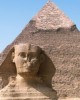
Boating and Sailing tour in Luxor - The pyramids+5*Nile cruise in one tour (Cairo+Luxor & Aswan)
2 nights cairo/3 N-4D 5 Stars Nile Cruise in Aswan&Luxor This is one of the most comprehensive private tours in Egypt you can get, as it takes y
Quick tours search
Tour Categories
- Any tour category
- Adventure tour
- Arts and Crafts tour
- Boating and Sailing tour
- Children's tour
- Culture and History tour
- Diving tour
- Eco and Wildlife tour
- Excursion
- Expedition
- Fishing tour
- Gourmet & Cooking tour
- Hiking tour
- Hunting tour
- Jeep tour
- Private tour
- Railway trip
- Safari
- Shopping tour
- Sightseeing Nature tour
- Trekking tour
- Walking tour
- Wine tasting tour
Private Guide in China

Harris
Private Guide in Shanghai
Looking for the best guide to take you through the beautiful city of Shanghai? Harris is just the man you need! Read more
Tour in Kenya
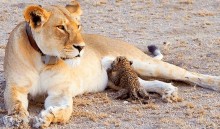
7-Day Explore Wildlife Samburu Great Rift Valley Lakes
Safari in Nairobi
Samburu National Reserve is situated about 350 kms north of Nairobi in the semi arid part of Kenya. Ewaso Nyiro River, bisects the reserve and the river is home to some of the biggest Reptiles in the region and attracts a good number of birds.
Read more