


 French
 Spanish
 Russian
: Tours and Excursion
State Russian Museum
The State Russian Museum is the largest depository of Russian fine art in the world, located in St. Petersburg. The museum was established in 1895 by Emperor Nicholas II in memory of his father, Alexander III. It houses a comprehensive collection of Russian art from the 10th century to the present day.
History & Origins
The museum was officially opened on March 19, 1898, in the Mikhailovsky Palace, a neoclassical building designed by Carlo Rossi. Over the years, the museum expanded to include several other buildings, such as the Marble Palace and the Stroganov Palace. The collection grew through acquisitions and donations, becoming the premier institution for Russian art.
During the Soviet era, the museum continued to acquire works, including avant-garde pieces that were previously banned. Today, the museum's collection includes over 400,000 items, ranging from ancient icons to contemporary art.
Architecture & Features
The Mikhailovsky Palace, the main building of the museum, is a masterpiece of neoclassical architecture. The interiors are adorned with marble columns, gilded moldings, and intricate parquet floors. The museum's galleries are arranged chronologically, allowing visitors to trace the evolution of Russian art.
Legends & Facts
One of the museum's most famous works is 'The Last Day of Pompeii' by Karl Bryullov, a monumental painting that took six years to complete. Another interesting fact is that the museum's collection includes works by all the major Russian artists, including Ilya Repin, Wassily Kandinsky, and Kazimir Malevich.
Tourist Tips
Visitors should start their tour in the main building and then explore the additional branches if time permits. The museum's gift shop offers a wide range of art books and souvenirs.
Nearby
- Mikhailovsky Castle - A former imperial residence with a unique architectural style.
- Summer Garden - A historic park with fountains and sculptures.
- Russian Museum of Ethnography - Dedicated to the cultures of Russia's ethnic groups.
- Nevsky Prospect - The city's main thoroughfare, lined with shops and cafes.
- Kazan Cathedral - A monumental church with a grand colonnade.
Practical FAQ for Travelers
What are the opening hours?
The museum is open from 10:00 AM to 6:00 PM, closed on Tuesdays.
What is the best time to visit?
Weekday afternoons are less crowded.
How long does a visit typically take?
A full tour can take 3-4 hours.
Are photography and videography allowed?
Yes, but flash photography is prohibited.
Is the site accessible for children and people with disabilities?
The museum is wheelchair-friendly, with elevators and ramps.
State Russian Museum: Private tours and Excursions.
-
Culture and History tour in St. Petersburg - Jewish Connections
First of all we visit the Synagogue built in 1893 and recently renovated, the second biggest in Europe; but – not only it… Then – n -
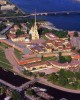
Culture and History tour in St. Petersburg - Sightseeing of the historical centre
Touring historical centre can be very different - depending on a programme of stay in general: Maximal version of mine looks as follows : The Spit of -

Culture and History tour in St. Petersburg - 2/3 Day Cruise Ship Passengers Package Tour
NB!!! According to the Russian Federation Law, all cruise ship passengers staying in Russia for up to 72 hrs do not need a Russian visa. Having ordere -
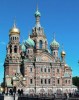
Culture and History tour in St. Petersburg - Russian Icons and Russian Orthodox Tradition Tour
The Russian Icon has always remained an expression of the Russian Orthodox tradition. Being extremely impressive objects of art they not only adorn th
Quick tours search
Tour Categories
- Any tour category
- Adventure tour
- Arts and Crafts tour
- Boating and Sailing tour
- Children's tour
- Culture and History tour
- Diving tour
- Eco and Wildlife tour
- Excursion
- Expedition
- Fishing tour
- Gourmet & Cooking tour
- Hiking tour
- Hunting tour
- Jeep tour
- Private tour
- Railway trip
- Safari
- Shopping tour
- Sightseeing Nature tour
- Trekking tour
- Walking tour
- Wine tasting tour
Private Guide in Morocco

Mustapha
Private Guide in Marrakech
My name is Mustapha. I am your guide and will support you during the tour. I promise you are going to enjoy your stay here in Morocco. This is a beautiful, quiet country where ... Read more
Tour in Kenya
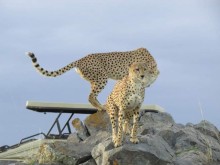
14-Day Discover Masai Mara Amboseli Serengeti Ngorongoro crater Zanzibar Beach Safari
Safari in Nairobi
Lake Nakuru is famous for its millions of flamigoes and migrant birds from over the world; in Nakuru we have upto 425 different bird species. You will leave back to the hotel before dark for your dinner and overnight at you lodge Read more