


 French
 Spanish
 Russian
: Tours and Excursion
History & Origins
The Shwezigon Pagoda was commissioned by King Anawrahta, the founder of the Bagan Empire, in the early 11th century. It was completed during the reign of his successor, King Kyansittha.
The pagoda was built to enshrine a replica of the Buddha's tooth relic, which was brought from Sri Lanka, making it a significant pilgrimage site for Buddhists.
Over the centuries, the Shwezigon Pagoda has undergone several renovations and restorations, but it has retained its original architectural style and spiritual significance.
Architecture & Features
The Shwezigon Pagoda is characterized by its massive golden dome, which is gilded with gold leaf and shines brilliantly in the sunlight. The dome is supported by a square base adorned with intricate carvings and sculptures.
The pagoda is surrounded by a series of smaller stupas and shrines, creating a harmonious and serene atmosphere. The complex also includes a large courtyard with numerous Buddha statues and religious artifacts.
Legends & Facts
According to legend, the site of the Shwezigon Pagoda was chosen by a white elephant carrying the Buddha's tooth relic, which stopped at this spot and refused to move further.
The pagoda is believed to house a strand of the Buddha's hair, adding to its spiritual significance.
The Shwezigon Pagoda is one of the few structures in Bagan that survived the 1975 earthquake, further enhancing its historical and cultural importance.
Tourist Tips
Visit the Shwezigon Pagoda early in the morning or late in the afternoon to avoid the heat and enjoy the golden glow of the dome.
Take your time to explore the surrounding shrines and courtyards, which offer additional insights into Myanmar's Buddhist culture.
Nearby
- Ananda Temple: A beautifully preserved temple known for its stunning architecture and Buddha statues.
- Dhammayangyi Temple: The largest temple in Bagan, famous for its massive structure and intricate brickwork.
- Thatbyinnyu Temple: The tallest temple in Bagan, offering panoramic views of the surrounding area.
- Sulamani Temple: A well-preserved temple with exquisite murals and carvings.
- Bagan Archaeological Museum: A museum showcasing artifacts and exhibits related to Bagan's history and culture.
Practical FAQ for Travelers
What are the opening hours of the Shwezigon Pagoda?
The pagoda is open daily from sunrise to sunset.
Is there an entrance fee?
Yes, there is a small entrance fee, which contributes to the maintenance of the site.
How long should I plan to spend at the pagoda?
Plan to spend at least 1-2 hours to fully explore the pagoda and its surroundings.
Are there any dress code requirements?
Visitors are required to dress modestly, covering their shoulders and knees, as a sign of respect.
Is photography allowed?
Yes, photography is allowed, but be mindful of the religious nature of the site.
Shwezigon Pagoda: Private tours and Excursions.
-

Culture and History tour in Bagan - Bagan and Nyaungoo
Pagan and Nyungoo is not far. So you can land at Nyungoo airport and do sightseeing. But if you want land at Mandalay airport, we can come and pick up
Quick tours search
Tour Categories
- Any tour category
- Adventure tour
- Arts and Crafts tour
- Boating and Sailing tour
- Children's tour
- Culture and History tour
- Diving tour
- Eco and Wildlife tour
- Excursion
- Expedition
- Fishing tour
- Gourmet & Cooking tour
- Hiking tour
- Hunting tour
- Jeep tour
- Private tour
- Railway trip
- Safari
- Shopping tour
- Sightseeing Nature tour
- Trekking tour
- Walking tour
- Wine tasting tour
Private Guide in Fiji
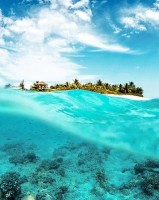
Ben
Private Guide in Nadi
This is where you experience the lively sunshine and smiling faces of the Fijian people. Come join me and experience for yourself that Fiji is the place to be. Read more
Tour in Kenya
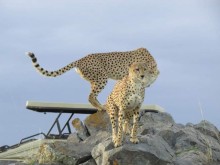
14-Day Discover Masai Mara Amboseli Serengeti Ngorongoro crater Zanzibar Beach Safari
Safari in Nairobi
Lake Nakuru is famous for its millions of flamigoes and migrant birds from over the world; in Nakuru we have upto 425 different bird species. You will leave back to the hotel before dark for your dinner and overnight at you lodge Read more