


 French
 Spanish
 Russian
: Tours and Excursion
Attention!!! There are tours with discounts.
The Sistine chapel, known as Cappella Sistina in Italian, is one of the most famous chapels in the world, located within the Vatican City. It is renowned for its stunning frescoes, particularly the ceiling painted by Michelangelo. The chapel serves as the official residence of the Pope and is a key site for papal ceremonies.
History & Origins
The Sistine chapel was built between 1473 and 1481 during the reign of Pope Sixtus IV, after whom it is named. The chapel was designed by architects Baccio Pontelli and Giovannino de Dolci, and its construction was overseen by Pope Sixtus IV. The chapel's primary function was to serve as the Pope's private chapel and the site for the election of new popes.
Architecture & Features
The Sistine chapel is a rectangular building with a barrel-vaulted ceiling. The interior is adorned with frescoes by some of the most renowned artists of the Renaissance, including Michelangelo, Botticelli, and Perugino. Michelangelo's ceiling frescoes, completed between 1508 and 1512, depict scenes from the Book of Genesis and are considered masterpieces of Western art.
Legends & Facts
One of the most famous legends surrounding the Sistine chapel is that Michelangelo painted the ceiling while lying on his back. In reality, he worked standing up, looking upwards. The chapel's frescoes have been meticulously restored over the years, with the most recent restoration completed in 1994.
Tourist Tips
Visitors to the Sistine chapel should dress modestly, as it is a religious site. Photography is not allowed inside the chapel to preserve the artwork. It's advisable to arrive early to avoid long queues, and guided tours can provide valuable insights into the chapel's history and art.
Nearby
- St. Peter's Basilica: The largest church in the world and a major pilgrimage site.
- Vatican Museums: Home to an extensive collection of art and historical artifacts.
- Castel Sant'Angelo: A historic fortress with panoramic views of Rome.
- Piazza Navona: A beautiful square with fountains and Baroque architecture.
- Pantheon: An ancient Roman temple with a remarkable dome.
Practical FAQ for Travelers
Is the Sistine chapel open to the public?
Yes, the Sistine chapel is open to the public, but visitors must adhere to the dress code and photography restrictions.
What is the best time to visit the Sistine chapel?
Early mornings or late afternoons are the best times to visit to avoid the largest crowds.
How long should I plan to spend at the Sistine chapel?
A visit to the Sistine chapel typically takes about 30 minutes to an hour, depending on the crowd size.
Can I take photos inside the Sistine chapel?
No, photography is not allowed inside the Sistine chapel to protect the artwork.
Is the Sistine chapel accessible for people with disabilities?
The Vatican Museums and Sistine chapel are partially accessible, but some areas may be challenging for wheelchair users.
Why is a private guide superior here?
A private guide can provide in-depth knowledge about the chapel's history and art, enhancing your visit with personalized insights.
Sistine chapel: Private tours and Excursions. Hurry up and book a tour with a discount.
-
Private tour in Bucharest - Romania, a destination with pleasure
Day 1 Bucharest-Sinaia Arrival at the International Airport Bucharest. Transfer to Sinaia (2 long hours), through the beautiful Prahova Valley Arri -
Private tour in Bucharest - Why Romania
Day 1 Bucharest - Sinaia· Arival at the International Airport Bucharest · Transfer to Sinaia ( 2 hours) ), through the beautiful Praho -
Special Offer!
Culture and History tour in Bucharest - 2025 Bucovina & Transylvania Explorer - Romania Private Tour Guide
2025 Bucovina & Transylvania Explorer: The Best Tour of Romania in 6 Days. Day 1: Bucharest to Bucovina Begin your Romania private tour with a mo -
Special Offer!
Culture and History tour in Bucharest - 2025 The Romanian Rhapsody Private Tour - The Original
Hunedoara Last Judgement Whole Sighisoara 2025 Tour Itinerary: Day 1: Bucharest ArrivalArrival to Coanda International Airport in
Sistine chapel: Articles
-

2013 Top 10 Vacation Destinations
For years now, Private-Guides.com has become a respected vacation destination assistant for tourists. So here are the top ten vacation destinations and a bit ab
Quick tours search
Tour Categories
- Any tour category
- Adventure tour
- Arts and Crafts tour
- Boating and Sailing tour
- Children's tour
- Culture and History tour
- Diving tour
- Eco and Wildlife tour
- Excursion
- Expedition
- Fishing tour
- Gourmet & Cooking tour
- Hiking tour
- Hunting tour
- Jeep tour
- Private tour
- Railway trip
- Safari
- Shopping tour
- Sightseeing Nature tour
- Trekking tour
- Walking tour
- Wine tasting tour
Private Guide in Belgium
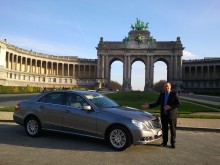
Mike
Private Guide in Brussels
40 years of tourism and hotel business experience. Private guide Mike is devoted to providing his guests with a memorable experience that exceeds all their expectations. Read more
Tour in Argentina
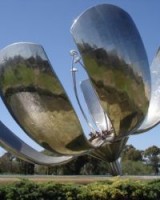
Culture and History tour in Buenos Aires
This is an extended version of the Buenos Aires' Highlights Tour! Read more