


 French
 Spanish
 Russian
: Tours and Excursion
Abbey of Saint Mary
The Abbey of Saint Mary, also known as Glastonbury Abbey, is a ruined monastery in Glastonbury, Somerset. Founded in the 7th century, the abbey was one of the most important religious sites in medieval England. It is associated with legends of King Arthur and the Holy Grail.
History & Origins
The abbey was established by the Saxons in the early Middle Ages and became a major pilgrimage site after the alleged discovery of the tombs of King Arthur and Queen Guinevere in the 12th century. The abbey was expanded and rebuilt several times, reaching its peak in the 14th century under Abbot Adam of Sodbury.
The abbey was dissolved in 1539 during the English Reformation, and its buildings were largely destroyed. The ruins that remain today include the nave, choir, and transepts of the great church, as well as the abbot's kitchen, one of the best-preserved medieval kitchens in Europe.
Architecture & Features
The abbey's ruins showcase a mix of Norman and Gothic architectural styles. The great church was one of the largest in England, with a length of over 180 meters. The abbot's kitchen is a notable survival, with its distinctive octagonal shape and large fireplaces.
The site also includes the legendary 'Holy Thorn' tree, said to have grown from the staff of Joseph of Arimathea. The tree is a popular attraction for visitors.
Legends & Facts
According to legend, Joseph of Arimathea brought the Holy Grail to Glastonbury and founded the first Christian church in England on the site of the abbey.
Another legend claims that King Arthur and Queen Guinevere were buried at the abbey, and their tombs were discovered by monks in 1191. While the authenticity of these claims is debated, they have contributed to the abbey's mystique.
Tourist Tips
Visitors should start their tour at the visitor center, which provides an overview of the abbey's history. The ruins are best explored on foot, with informative plaques detailing the site's features. The abbot's kitchen and the Holy Thorn are must-see attractions.
Nearby
- Glastonbury Tor - A hill with panoramic views and a historic tower.
- Chalice Well - A sacred spring with reputed healing properties.
- Glastonbury Tribunal - A medieval courthouse now housing a museum.
- Somerset Rural Life Museum - Showcases traditional farming life.
- Glastonbury Market - A vibrant market with local crafts and produce.
Practical FAQ for Travelers
What are the abbey's opening hours?
The abbey is open from 10:00 AM to 5:00 PM daily.
Is there an entrance fee?
Yes, tickets cost approximately 8 GBP for adults, with discounts for children and seniors.
Are dogs allowed on the site?
Yes, dogs on leads are welcome in the abbey grounds.
Is the site accessible for wheelchair users?
Yes, the main paths are wheelchair accessible, though some areas may be uneven.
What is the best time to visit?
Spring and autumn offer pleasant weather and fewer crowds.
Abbey of Saint Mary: Private tours and Excursions.
-
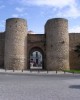
Culture and History tour in Ronda - Ronda & the oldest Maestranza Bullring - Private Tour
Ronda: Ronda is a charming typical old andalusian town. Resting high up on a plateau of 780m, watching the river Guadalevin crossing the gorge (Tajo)
Quick tours search
Tour Categories
- Any tour category
- Adventure tour
- Arts and Crafts tour
- Boating and Sailing tour
- Children's tour
- Culture and History tour
- Diving tour
- Eco and Wildlife tour
- Excursion
- Expedition
- Fishing tour
- Gourmet & Cooking tour
- Hiking tour
- Hunting tour
- Jeep tour
- Private tour
- Railway trip
- Safari
- Shopping tour
- Sightseeing Nature tour
- Trekking tour
- Walking tour
- Wine tasting tour
Private Guide in Greece

Angelo
Private Guide in Katerini
I can make your hiking, beach bar hopping and educational experience one of a kind! You will learn everything you ever wondered about this beautiful country. Read more
Tour in United States

Private tour in New York
We will stop on our tour for pizza and at Roccos famous Italian bakery. See the brownstones, and sights where tv shows like Friends and Sex and The City were filmed. From Greenwich Village we head to the east village to visit Washington Square Park, New York University, and then make our way to Soho. Read more