


 French
 Spanish
 Russian
Brazil : Tours and Excursion
Attention!!! There are tours with discounts.
History & Origins
Sugarloaf Mountain was formed over 600 million years ago, during the separation of the continents of Africa and South America. The mountain's unique shape is the result of erosion over millions of years, which wore away the softer rock, leaving behind the hard granite and quartz.
The first recorded ascent of Sugarloaf Mountain was in 1817 by British officer Henry Koster. However, it wasn't until 1912 that the first cable car was installed, making the summit accessible to tourists.
The mountain has played a significant role in Rio de Janeiro's history, serving as a strategic lookout point during colonial times and later becoming a symbol of the city's natural beauty.
Architecture & Features
The mountain itself is a natural formation, but the cable car system is a notable architectural feat. The current cable car system, installed in 1972, consists of two stages, with the first stage taking visitors to Morro da Urca, a smaller peak, and the second stage ascending to the summit of Sugarloaf Mountain.
The summit offers panoramic views of Rio de Janeiro, including Copacabana Beach, Christ the Redeemer, and Guanabara Bay. The area around the summit is equipped with observation decks, a restaurant, and a small amphitheater.
Legends & Facts
One popular legend surrounding Sugarloaf Mountain is that it was once a giant loaf of sugar left by the gods. Another story claims that the mountain was a hiding place for pirates who used it as a lookout point to spot incoming ships.
In 1979, Sugarloaf Mountain was featured in the James Bond film 'Moonraker,' where it served as the backdrop for a dramatic fight scene.
The mountain is also a popular spot for rock climbing, with several routes of varying difficulty levels available for climbers.
Practical FAQ for Travelers
What are the opening hours?
The cable car operates daily from 8:00 AM to 9:00 PM.
How much are the tickets?
Tickets cost approximately 110 Brazilian Reais for adults and 55 Brazilian Reais for children.
What is the best time to visit?
The best time to visit is early morning or late afternoon to avoid the crowds and enjoy the best lighting for photos.
How long does the visit take?
A typical visit takes about 2-3 hours, including the cable car ride and time spent at the summit.
Is it accessible for children and pets?
Yes, the cable car and summit are accessible for children and pets, but pets must be kept on a leash.
Are there any dress code requirements?
There is no specific dress code, but comfortable walking shoes are recommended.
Nearby
- Copacabana Beach: A world-famous beach known for its vibrant atmosphere and iconic boardwalk.
- Christ the Redeemer: A colossal statue of Jesus Christ located atop Corcovado Mountain.
- Guanabara Bay: A large bay known for its scenic beauty and historical significance.
- Botafogo Beach: A popular urban beach with stunning views of Sugarloaf Mountain.
- Flamengo Park: A large urban park with walking trails, sports facilities, and beautiful gardens.
Sugarloaf Mountain: Private tours and Excursions. Hurry up and book a tour with a discount.
-
Special Offer!

Sightseeing Nature tour in Rio de Janeiro - Full Day Private Tour
Rio has many places of interest and we can manage to visit a lot of them in a single day. You select a number of places that you would like to visit a
Quick tours search
Tour Categories
- Any tour category in Brazil
- Adventure tour in Brazil
- Arts and Crafts tour in Brazil
- Boating and Sailing tour in Brazil
- Culture and History tour in Brazil
- Eco and Wildlife tour in Brazil
- Excursion in Brazil
- Fishing tour in Brazil
- Gourmet & Cooking tour in Brazil
- Private tour in Brazil
- Shopping tour in Brazil
- Sightseeing Nature tour in Brazil
- Walking tour in Brazil
Private Guide in Argentina

Angeles
Private Guide in Buenos Aires
My tours are full of interesting information, including historic facts, relevant political data, and all those funny anecdotes that make tours memorable. Read more
Tour in Argentina
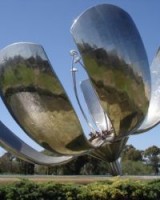
Culture and History tour in Buenos Aires
This is an extended version of the Buenos Aires' Highlights Tour! Read more