


 French
 Spanish
 Russian
: Tours and Excursion
History & Origins
Thean Hou Temple was constructed in 1987 and officially opened in 1989. It was built by the Hainanese community in Malaysia to honor Tian Hou, the goddess of the sea and protector of sailors. The temple's construction was funded through donations from the local Chinese community, reflecting their strong cultural heritage and religious devotion.
The temple's design incorporates traditional Chinese architectural styles, with influences from Buddhism, Taoism, and Confucianism. It was built to provide a place of worship and cultural preservation for the Chinese diaspora in Malaysia.
Over the years, Thean Hou Temple has become a significant landmark in Kuala Lumpur, attracting both worshippers and tourists. It stands as a testament to the enduring cultural and religious traditions of the Chinese community in Malaysia.
Architecture & Features
Thean Hou Temple is renowned for its elaborate architectural design, which includes intricate carvings, colorful decorations, and traditional Chinese motifs. The temple's main hall houses statues of Tian Hou, Guan Yin, and Shui Wei Sheng Niang, each representing different aspects of Chinese mythology and religion.
The temple's roof is adorned with dragon and phoenix figures, symbolizing power and prosperity. The interior features detailed murals and calligraphy, depicting scenes from Chinese folklore and religious texts. The temple also includes a garden with a pond, adding to its serene and peaceful atmosphere.
Legends & Facts
Thean Hou Temple is named after Tian Hou, a goddess revered by sailors and fishermen for her protective powers. According to legend, Tian Hou was born in the 10th century in Fujian, China, and was known for her ability to predict the weather and save sailors from storms.
The temple's location on a hilltop offers panoramic views of Kuala Lumpur, making it a popular spot for photography. It is also a venue for various cultural and religious festivals, including the annual Tian Hou birthday celebration.
Thean Hou Temple is not only a place of worship but also a center for cultural activities. It hosts events such as calligraphy exhibitions, traditional Chinese music performances, and martial arts demonstrations.
Practical FAQ for Travelers
What are the opening hours of Thean Hou Temple?
Thean Hou Temple is open daily from 8:00 AM to 9:00 PM.
Is there an entrance fee?
No, entry to Thean Hou Temple is free of charge.
What is the best time to visit?
The best time to visit is early morning or late afternoon to avoid the midday heat and crowds.
Is photography allowed?
Yes, photography is allowed, but visitors are asked to be respectful of worshippers.
Is the temple accessible for children and elderly visitors?
Yes, the temple is accessible, but there are some stairs to climb. Assistance may be required for elderly visitors.
Are pets allowed inside the temple?
No, pets are not allowed inside the temple premises.
Nearby
- Petronas Twin Towers - Iconic skyscrapers with an observation deck and shopping mall.
- Batu Caves - A limestone hill with a series of caves and temples.
- KL Tower - A telecommunications tower with a viewing platform.
- Central Market - A historic market offering local crafts and souvenirs.
- Merdeka Square - A historic square with colonial-era buildings.
Thean Hou Temple: Private tours and Excursions.
-
Special Offer!
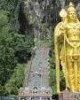
Excursion in Kuala Lumpur - K.L City & Batu Caves Tour
Allocate a full day for Kuala Lumpur to charm you. This combines the city tour and the country tour. A tour that takes you from the modern living of t
Quick tours search
Tour Categories
- Any tour category
- Adventure tour
- Arts and Crafts tour
- Boating and Sailing tour
- Children's tour
- Culture and History tour
- Diving tour
- Eco and Wildlife tour
- Excursion
- Expedition
- Fishing tour
- Gourmet & Cooking tour
- Hiking tour
- Hunting tour
- Jeep tour
- Private tour
- Railway trip
- Safari
- Shopping tour
- Sightseeing Nature tour
- Trekking tour
- Walking tour
- Wine tasting tour
Private Guide in Argentina

Angeles
Private Guide in Buenos Aires
My tours are full of interesting information, including historic facts, relevant political data, and all those funny anecdotes that make tours memorable. Read more
Tour in Argentina
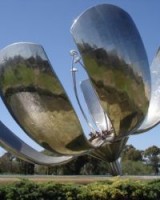
Culture and History tour in Buenos Aires
This is an extended version of the Buenos Aires' Highlights Tour! Read more