


 French
 Spanish
 Russian
: Tours and Excursion
History & Origins
The falls were first introduced to the Western world by Scottish explorer David Livingstone in 1855, who named them after Queen Victoria. Indigenous tribes had long revered the site as a sacred place.
The area surrounding the falls has been inhabited for thousands of years, with archaeological evidence suggesting early human activity.
In the late 19th century, the falls became a focal point for colonial exploration and tourism.
Architecture & Features
The falls are part of the Zambezi River, which flows through six countries before emptying into the Indian Ocean.
The basalt plateau over which the river flows creates a dramatic drop, forming the falls.
The surrounding rainforest is sustained by the constant spray from the falls, creating a unique microclimate.
Legends & Facts
Local legends speak of a river god who resides in the falls, protecting the surrounding land.
The falls are a UNESCO World Heritage Site, recognized for their natural beauty and ecological significance.
During the rainy season, the flow of water can reach up to 10,000 cubic meters per second.
Tourist Tips
Visit during the dry season (April to October) for clearer views and less mist.
Take a guided walk along the Knife-Edge Bridge for panoramic views of the falls.
For the adventurous, consider a bungee jump from the Victoria Falls Bridge.
Nearby
- Victoria Falls Bridge: A historic bridge offering stunning views of the gorge.
- Livingstone Museum: A museum dedicated to the history and culture of Zambia.
- Mosi-oa-Tunya National Park: A wildlife reserve home to elephants, giraffes, and zebras.
- Devil's Pool: A natural pool on the edge of the falls, accessible during the dry season.
- Victoria Falls Rainforest: A lush forest sustained by the falls' mist.
Practical FAQ for Travelers
What is the best time to visit Victoria Falls?
The best time to visit is during the dry season (April to October) when the water flow is lower, and visibility is better.
Are there entrance fees to see the falls?
Yes, there are entrance fees for both the Zambian and Zimbabwean sides of the falls.
How long should I plan to spend at Victoria Falls?
Plan for at least half a day to fully experience the falls and surrounding areas.
Is it safe to visit Victoria Falls with children?
Yes, but keep children close, especially near the edges of the falls.
Are pets allowed at Victoria Falls?
Pets are generally not allowed in the national parks and protected areas around the falls.
What should I wear when visiting Victoria Falls?
Wear comfortable clothing and waterproof gear, as the mist from the falls can soak you quickly.
Victoria Falls: Private tours and Excursions.
-
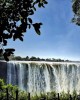
Sightseeing Nature tour in Victoria Falls - Guided Tour Of The Victoria Falls - Scenic Nature Tour
Discover & Explore the breathtaking beauty of the majestic Victoria Falls on a guided walking tour. Learn the fascinating history attached to the -
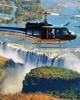
Sightseeing Nature tour in Victoria Falls - Victoria Falls : Helicopter Flight of Angels - Scenic Tour
Experience & Explore the Victoria Falls from the sky with the flight of Angels. The outstanding beauty of the full stretch Water Fall is captured
Quick tours search
Tour Categories
- Any tour category
- Adventure tour
- Arts and Crafts tour
- Boating and Sailing tour
- Children's tour
- Culture and History tour
- Diving tour
- Eco and Wildlife tour
- Excursion
- Expedition
- Fishing tour
- Gourmet & Cooking tour
- Hiking tour
- Hunting tour
- Jeep tour
- Private tour
- Railway trip
- Safari
- Shopping tour
- Sightseeing Nature tour
- Trekking tour
- Walking tour
- Wine tasting tour
Private Guide in Argentina

Angeles
Private Guide in Buenos Aires
My tours are full of interesting information, including historic facts, relevant political data, and all those funny anecdotes that make tours memorable. Read more
Tour in Argentina
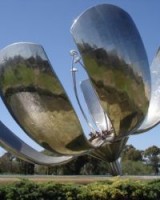
Culture and History tour in Buenos Aires
This is an extended version of the Buenos Aires' Highlights Tour! Read more