


 French
 Spanish
 Russian
: Tours and Excursion
Suez Canal
The Suez Canal is a man-made waterway in Egypt that connects the Mediterranean Sea to the Red Sea, providing a crucial shortcut for maritime trade between Europe and Asia. It is one of the most important shipping lanes in the world, significantly reducing the travel distance between the Atlantic and Indian Oceans.
History & Origins
The idea of a canal connecting the Mediterranean and Red Seas dates back to ancient times, but it was not until the 19th century that the modern Suez Canal was constructed. The canal was officially opened in 1869 after ten years of construction, financed by the Suez Canal Company and led by French engineer Ferdinand de Lesseps. The canal has since played a pivotal role in global trade and geopolitics.
Architecture & Features
The Suez Canal is approximately 120 miles long and 79 feet deep, allowing the passage of large ships. It has no locks, as the water levels of the Mediterranean and Red Seas are nearly the same. The canal is flanked by the Sinai Peninsula to the east and the African continent to the west, with several cities and ports located along its banks.
Legends & Facts
One of the most significant events in the canal's history was the Suez Crisis of 1956, when Egypt nationalized the canal, leading to a military conflict involving Israel, the United Kingdom, and France. The canal was closed for several years during the Six-Day War in 1967 and reopened in 1975 after extensive clearing of mines and shipwrecks.
Tourist Tips
Visitors can take a boat tour to experience the canal firsthand or visit the Suez Canal Authority's museum in Ismailia to learn more about its history and operation. The best time to visit is during the cooler months of October to April.
Nearby
- Ismailia: A city located along the canal, home to the Suez Canal Authority's museum.
- Port Said: A major port city at the northern entrance of the canal.
- Suez: A city at the southern entrance of the canal, known for its maritime history.
- Cairo: The capital of Egypt, located a short distance from the canal.
- Sinai Peninsula: A region known for its desert landscapes and historical sites.
Practical FAQ for Travelers
What are the opening hours?
The canal operates 24 hours a day, but boat tours may have specific schedules.
Is there an entrance fee?
Boat tours may charge a fee, but there is no fee to view the canal from the shore.
What is the best time to visit?
October to April, when the weather is cooler.
Is photography allowed?
Yes, photography is allowed from the shore and during boat tours.
Is the canal accessible for children and elderly visitors?
Yes, viewing the canal from the shore is accessible for all ages.
Suez Canal: Private tours and Excursions.
-
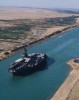
Culture and History tour in Cairo - Suez Canal & Ismailia Day trip
Egypt is known not only for its ancient wonders left by our ancestors thousands of years ago. There are much younger engineering wonders to behold in
Quick tours search
Tour Categories
- Any tour category
- Adventure tour
- Arts and Crafts tour
- Boating and Sailing tour
- Children's tour
- Culture and History tour
- Diving tour
- Eco and Wildlife tour
- Excursion
- Expedition
- Fishing tour
- Gourmet & Cooking tour
- Hiking tour
- Hunting tour
- Jeep tour
- Private tour
- Railway trip
- Safari
- Shopping tour
- Sightseeing Nature tour
- Trekking tour
- Walking tour
- Wine tasting tour
Private Guide in Ethiopia

Yonas
Private Guide in Addis Ababa
I taught for seven years in different parts of the country. Then I decided to go to school to study tourism. There, I got what my real soul is and for what purpose am created for! Read more
Tour in Kenya

7-Day Explore Wildlife Samburu Great Rift Valley Lakes
Safari in Nairobi
Samburu National Reserve is situated about 350 kms north of Nairobi in the semi arid part of Kenya. Ewaso Nyiro River, bisects the reserve and the river is home to some of the biggest Reptiles in the region and attracts a good number of birds.
Read more