


 French
 Spanish
 Russian
: Tours and Excursion
Kinderdijk Windmills
The Kinderdijk windmills are a group of 19 monumental windmills in the Alblasserwaard polder, constructed around 1740. They are the largest concentration of old windmills in the Netherlands and a UNESCO World Heritage Site. The windmills were built to drain the polder and prevent flooding.
History & Origins
The Kinderdijk windmills date back to the 18th century when the Alblasserwaard polder was repeatedly flooded. The windmills were part of a larger water management system that included dikes, reservoirs, and pumping stations. The name 'Kinderdijk' translates to 'Children's Dike' and refers to a local legend about a baby and a cat surviving a flood.
The windmills were operational until the mid-20th century when they were replaced by modern pumping stations. Today, they are preserved as a historical monument and a symbol of Dutch water management.
Architecture & Features
The Kinderdijk windmills are traditional Dutch windmills with thatched roofs and wooden sails. They are arranged in two parallel rows along the canals, creating a picturesque landscape. Visitors can enter some of the windmills to see the original machinery and learn about their operation.
Legends & Facts
One of the most famous legends about Kinderdijk is the story of a baby and a cat surviving a flood by floating in a cradle. This legend is said to be the origin of the name 'Kinderdijk.' Another interesting fact is that the windmills are still functional and can be operated during special events.
Tourist Tips
Visitors can explore the windmills on foot or by bike, following the scenic paths along the canals. Boat tours are also available for a different perspective of the windmills. The best time to visit is during the spring or summer when the surrounding fields are green and the windmills are in operation.
Nearby
- Alblasserwaard - A picturesque polder landscape with traditional Dutch farms.
- Rotterdam - A vibrant city with modern architecture and cultural attractions.
- Dordrecht - One of the oldest cities in the Netherlands with a rich history.
- Gouda - Famous for its cheese market and historic city center.
- Utrecht - A lively university city with a beautiful medieval center.
Practical FAQ for Travelers
What are the opening hours?
The windmills are open daily from 9:00 AM to 5:00 PM.
Is there an entrance fee?
Yes, there is a small fee to enter the windmills and the visitor center.
What is the best time to visit?
The best time to visit is during the spring or summer when the windmills are in operation and the landscape is green.
Are the windmills accessible for wheelchair users?
Some of the windmills are accessible, but the paths can be uneven.
Can I bring my pet?
Pets are allowed but must be kept on a leash.
Kinderdijk: Private tours and Excursions.
-
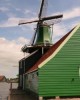
Private tour in Brussels - Amsterdam - Kinderdijk - Delft - Netherlands
Amsterdam - Kinderdijk - Delft - Pays-Bas 1 full day excursion (12/14h.) up to 4 px. 700.00 Euros Additional days on request This full day tour will
Quick tours search
Tour Categories
- Any tour category
- Adventure tour
- Arts and Crafts tour
- Boating and Sailing tour
- Children's tour
- Culture and History tour
- Diving tour
- Eco and Wildlife tour
- Excursion
- Expedition
- Fishing tour
- Gourmet & Cooking tour
- Hiking tour
- Hunting tour
- Jeep tour
- Private tour
- Railway trip
- Safari
- Shopping tour
- Sightseeing Nature tour
- Trekking tour
- Walking tour
- Wine tasting tour
Private Guide in China

Harris
Private Guide in Shanghai
Looking for the best guide to take you through the beautiful city of Shanghai? Harris is just the man you need! Read more
Tour in New Zealand
Private tour in Auckland
Looking forward to have some great time on the beach? Want to discover the fruitful wine industry of the Auckland area? Well, with this private tour in Auckland you will enjoy both these great activities during a single day! Read more