


 French
 Spanish
 Russian
: Tours and Excursion
Attention!!! There are tours with discounts.
History & Origins
Mount Kilimanjaro was formed over a million years ago through volcanic activity. The mountain's name is believed to derive from the Swahili words 'Kilima' (mountain) and 'Njaro' (whiteness), referring to its snowy peak. European explorers first documented the mountain in the mid-19th century, with Hans Meyer and Ludwig Purtscheller making the first recorded ascent to the summit in 1889.
The mountain has long been a significant landmark for local tribes, including the Chagga people, who have lived on its slopes for centuries. Kilimanjaro's prominence has made it a symbol of Tanzania and a UNESCO World Heritage Site.
Architecture & Features
Kilimanjaro's unique geological features include its three volcanic cones, with Kibo being the highest and only dormant cone. The mountain's summit, Uhuru Peak, is located on Kibo and offers breathtaking views of the surrounding plains. The mountain's slopes are characterized by distinct ecological zones, each with its own flora and fauna.
The lower slopes are covered in lush rainforests, home to diverse wildlife such as elephants, leopards, and monkeys. As climbers ascend, they pass through moorland, alpine desert, and finally the arctic zone near the summit. The mountain's glaciers, though shrinking due to climate change, remain a striking feature.
Legends & Facts
Local legends speak of Kilimanjaro as a sacred mountain, home to spirits and gods. The Chagga people believe that the mountain's summit is the dwelling place of their deity, Ruwa. Another legend tells of a leopard carcass found near the summit, inspiring Ernest Hemingway's short story 'The Snows of Kilimanjaro.'
Kilimanjaro is also known for its unique climate, with temperatures ranging from tropical at the base to arctic at the summit. The mountain's glaciers are among the few remaining in Africa, though they are rapidly disappearing due to global warming.
Tourist Tips
Climbing Kilimanjaro requires careful preparation, including physical fitness and acclimatization to high altitudes. The most popular routes include the Marangu, Machame, and Lemosho routes, each offering different levels of difficulty and scenery. Climbers should be prepared for varying weather conditions and ensure they have proper gear, including warm clothing and sturdy footwear.
It is recommended to climb with a licensed guide and porter, as the ascent can be challenging and unpredictable. The best time to climb is during the dry seasons, from January to March and June to October, when the weather is more stable.
Nearby
- Mount Meru: Tanzania's second-highest peak, offering a challenging climb and stunning views of Kilimanjaro.
- Arusha National Park: A wildlife sanctuary known for its diverse flora and fauna, including giraffes and flamingos.
- Lake Manyara National Park: A scenic park famous for its tree-climbing lions and alkaline lake.
- Serengeti National Park: One of Africa's most famous wildlife reserves, known for the annual wildebeest migration.
- Ngorongoro Conservation Area: A UNESCO World Heritage Site featuring the Ngorongoro Crater, home to a dense population of wildlife.
Practical FAQ for Travelers
What is the best time to climb Kilimanjaro?
The best time to climb Kilimanjaro is during the dry seasons, from January to March and June to October, when the weather is more stable and the trails are less slippery.
How long does it take to climb Kilimanjaro?
The climb typically takes 5 to 9 days, depending on the chosen route and the climber's pace. Longer routes allow for better acclimatization and increase the chances of reaching the summit.
Is climbing Kilimanjaro suitable for children?
Climbing Kilimanjaro is not recommended for children under the age of 10 due to the physical demands and high altitude. Older children should be in excellent physical condition and accompanied by experienced climbers.
What should I wear when climbing Kilimanjaro?
Climbers should wear layered clothing to adapt to varying temperatures, including thermal base layers, a waterproof jacket, and sturdy hiking boots. Gloves, a hat, and sunglasses are also essential.
Are there any accessibility considerations for Kilimanjaro?
Kilimanjaro is not wheelchair accessible, and climbers should be prepared for steep and uneven terrain. Those with medical conditions should consult a doctor before attempting the climb.
Can I bring my pet on the climb?
Pets are not allowed on Kilimanjaro due to the challenging conditions and potential risks to both the animal and other climbers.
Mount Kilimanjaro: Private tours and Excursions. Hurry up and book a tour with a discount.
-
Special Offer!
Safari in Arusha - 10 Days 9 Night Great Migration Safari
Tanzania boasts one of the best world’s travel destinations and the best safari country in Africa. As “a Land of Superlatives”, Tanz -
Special Offer!
Safari in Arusha - 11 Days10 Nights Tanzania Cultural Safari
Tanzania boasts one of the best world’s travel destinations and the best safari country in Africa. As “a Land of Superlatives”, Tanz -
Special Offer!
Safari in Arusha - 12 Days 11 Nights The Best of Tanzania Safari
Tanzania boasts one of the best world’s travel destinations and the best safari country in Africa. As “a Land of Superlatives”, Tanz -
Special Offer!
Adventure tour in Arusha - 12 Days 11Nights Tanzania Photographic Safaris
Tanzania boasts one of the best world’s travel destinations and the best safari country in Africa. As “a Land of Superlatives&rd -
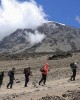
Hiking tour in Moshi - 5 Days 4 Nights Marangu Route
Known as the “Coca-Cola” route, the Marangu route is a classic trek on Mount Kilimanjaro. It is the oldest, most well established ro -
Special Offer!

Safari in Arusha - 5 Days 4 Nights Tanzania Wildlife Safari
Tanzania boasts one of the best world’s travel destinations and the best safari country in Africa. As “a Land of Superlatives”, Tanz -
Special Offer!
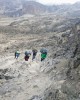
Hiking tour in Moshi - 6 Days 5 Nights Rongai Route
The Rongai route is the only route that approaches Kilimanjaro from the north, close to the Kenyan border. Though gaining popularity amongst cli -
Special Offer!
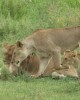
Safari in Arusha - 6 days 5 nights Tanzania luxury safari
Tanzania boasts one of the best world’s travel destinations and the best safari country in Africa. As “a Land of Superlatives”, Tanz -
Special Offer!
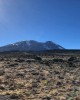
Hiking tour in Moshi - 7 Days 6 Nights Lemosho Route
The Lemosho Route is widely considered to be the best route on Mount Kilimanjaro. Not too long ago, there were only two main routes used to clim -
Special Offer!
Hiking tour in Moshi - 7 Days 6 Nights Rongai Route
The Rongai route is the only route that approaches Kilimanjaro from the north, close to the Kenyan border. Though gaining popularity amongst cli -
Special Offer!
Hiking tour in Moshi - 8 Days 7 Nights Lemosho Route
The Lemosho Route is widely considered to be the best route on Mount Kilimanjaro. Not too long ago, there were only two main routes used to clim -
Special Offer!
Hiking tour in Moshi - 9 Days 8 Nights Northern Circuit Route
The Northern Circuit is the newest and longest route on Mount Kilimanjaro. It begins in the West at the Londorossi Gate and follows the same path as t -
Special Offer!
Hiking tour in Moshi - Kilimanjaro climbing price 2026 booking Lemosho route
Kilimanjaro Climbing for the Lemosho route 7-day tour 2026 price helps you book the trip. Kili Tanzanite Safaris DMC is now accepting bookings fo -
Special Offer!
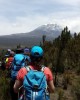
Adventure tour in Moshi - Kilimanjaro climbing trip Rongai route,with forest tour
This tour is a nature discover adventure. We proven with professional trekking expertise and was awarded Gold Member by Private Guides Platform. Kilim -
Special Offer!
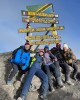
Trekking tour in Moshi - Kilimanjaro trekking Machame 2026 price with a private guide
Kili Tanzanite Safaris DMC invite you for the affordable Kilimanjaro climbing tours 2026 prices. We offer affordable Kilimanjaro trekking with a -
Special Offer!
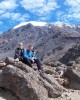
Trekking tour in Moshi - Kilimanjaro trekking via Beautiful nature trail Lemosho route
Lemosho Route 7 days is slow hiking up summit Kilimanjaro and potential have great success rate summiting Climbing Kilimanjaro on beautiful scenery n -
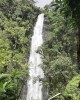
Excursion in Moshi - Kilimanjaro waterfall, culture and coffee trips in Moshi Tanzania
You can book a waterfall trip at the foothills of Mount Kilimanjaro without climbing to the summit. Waterfall tour excursion is one of the cheap Kilim -
Special Offer!
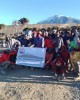
Hiking tour in Arusha - Machame route 7 days Kilimanjaro hiking tour high success rate summit
7-Day Machame Route Kilimanjaro Hiking 2026 prices range from 1580$ to 1680 $ depending on the number of people. The Machame Route (7 days) is an -
Special Offer!
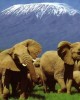
Adventure tour in Moshi - Machame route Kilimanjaro climbing trip booking online
Climbing Mount Kilimanjaro tours guided by Professional Private guides with budget 2026 prices. Kilimanjaro trekking adventures are organized by -
Special Offer!
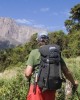
Trekking tour in Arusha - Mount Meru climbing tripTanzania
Private guide to escort Mount Meru climbing is available. Book tour and get personalized Kilimanjaro trekking private guide in Tanzania. 3 days is eno -
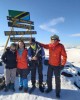
Trekking tour in Moshi - Our Lemosho route Kilimanjaro 7 days tour, include forest trekking
Lemosho route 7 days package, also include trekking through Mount Kilimanjaro forest. Explore the beautiful Lemosho route on an adventurous -
Special Offer!
Adventure tour in Moshi - Private guided Kilimanjaro climbing trips now available
Mount Kilimanjaro climbing is among the affordable adventure tours to go. Kilimanjaro is among the seven summits highest peaks from each of the 7 cont -
Special Offer!
Trekking tour in Moshi - Private guides in Kilimanjaro climbing trips, trekking expeditions Tanzania
Private guides in Kilimanjaro climbing trips, trekking expeditions Tanzania provided personalized Kilimanjaro tours. We offer private guided Kilimanja -
Special Offer!
Eco and Wildlife tour in Arusha - This is 2 Kilimanjaro safari to Mount Kilimanjaro, and see Wildlife animals
Explore the beauty of Mount Kilimanjaro, and see many wildlife animals within the Enduimet Wildlife area. Enduimet is a wildlife conservation natu -
Special Offer!

Wine tasting tour in Dadoma - Wine tasting tour in Tanzania, includes grape farms visit
Our 6 days wine tasting tour in Tanzania, begins from Kilimanjaro Airport, overnight in Arusha. And then the next day get a wildlife safari tour i
Mount Kilimanjaro: Tour Guides
-
Tour Guide in Moshi - Andrew
We are an expert Kilimanjaro climbing company with excellent reviews. We help you make booking Kilimanjaro tours online and choose suitable Kilimanjaro ro -

Tour Guide in Moshi - Dennis
Meet Dennis, your tour guide, cheerleader and first aid giver all rolled in one! Should you sign up for a Kilimanjaro trek with Dennis, be warned it will not be -
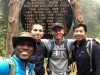
Tour Guide in Moshi - Erick
Her is Erick a professional tour guide in Tanzania. I started to work as a guide soon after graduate university and I open up my company around my area to provi
Mount Kilimanjaro: Articles
-
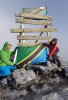
Reasons why Machame is favorite Kilimanjaro route
Kilimanjaro Tanzanite Safaris Company, explains reasons why the Machame route is a favorite trail to climb Mount Kilimanjaro. Machame is a stunning trail that o
Quick tours search
Tour Categories
- Any tour category
- Adventure tour
- Arts and Crafts tour
- Boating and Sailing tour
- Children's tour
- Culture and History tour
- Diving tour
- Eco and Wildlife tour
- Excursion
- Expedition
- Fishing tour
- Gourmet & Cooking tour
- Hiking tour
- Hunting tour
- Jeep tour
- Private tour
- Railway trip
- Safari
- Shopping tour
- Sightseeing Nature tour
- Trekking tour
- Walking tour
- Wine tasting tour
Private Guide in China

Harris
Private Guide in Shanghai
Looking for the best guide to take you through the beautiful city of Shanghai? Harris is just the man you need! Read more
Tour in Kenya
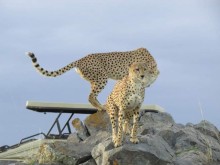
14-Day Discover Masai Mara Amboseli Serengeti Ngorongoro crater Zanzibar Beach Safari
Safari in Nairobi
Lake Nakuru is famous for its millions of flamigoes and migrant birds from over the world; in Nakuru we have upto 425 different bird species. You will leave back to the hotel before dark for your dinner and overnight at you lodge Read more